
What are the best ceiling lights for a kitchen diner?
The best ceiling lights for a kitchen diner pair IP-rated downlights over task zones with a dimmable semi flush fitting over the dining tabl…
Read Article →6 October 2026
Lighting tips, guides, and design inspiration for UK homeowners
The best ceiling lights for a kitchen diner pair IP-rated downlights over task zones with a dimmable semi flush fitting over the dining tabl…
Read Article →6 October 2026

Circular ceiling lights are more versatile than square ones in most rooms because their shape suits any orientation, layout, and ceiling gri…
Read Article →5 October 2026

Choose a black ceiling light with slim profiles, opal diffusers, and open frames so the dark colour reads as contrast rather than visual wei…
Read Article →4 October 2026

Colour rendering index (CRI) measures how accurately a light source shows colours, and it matters because low-CRI ceiling lights distort the…
Read Article →4 October 2026
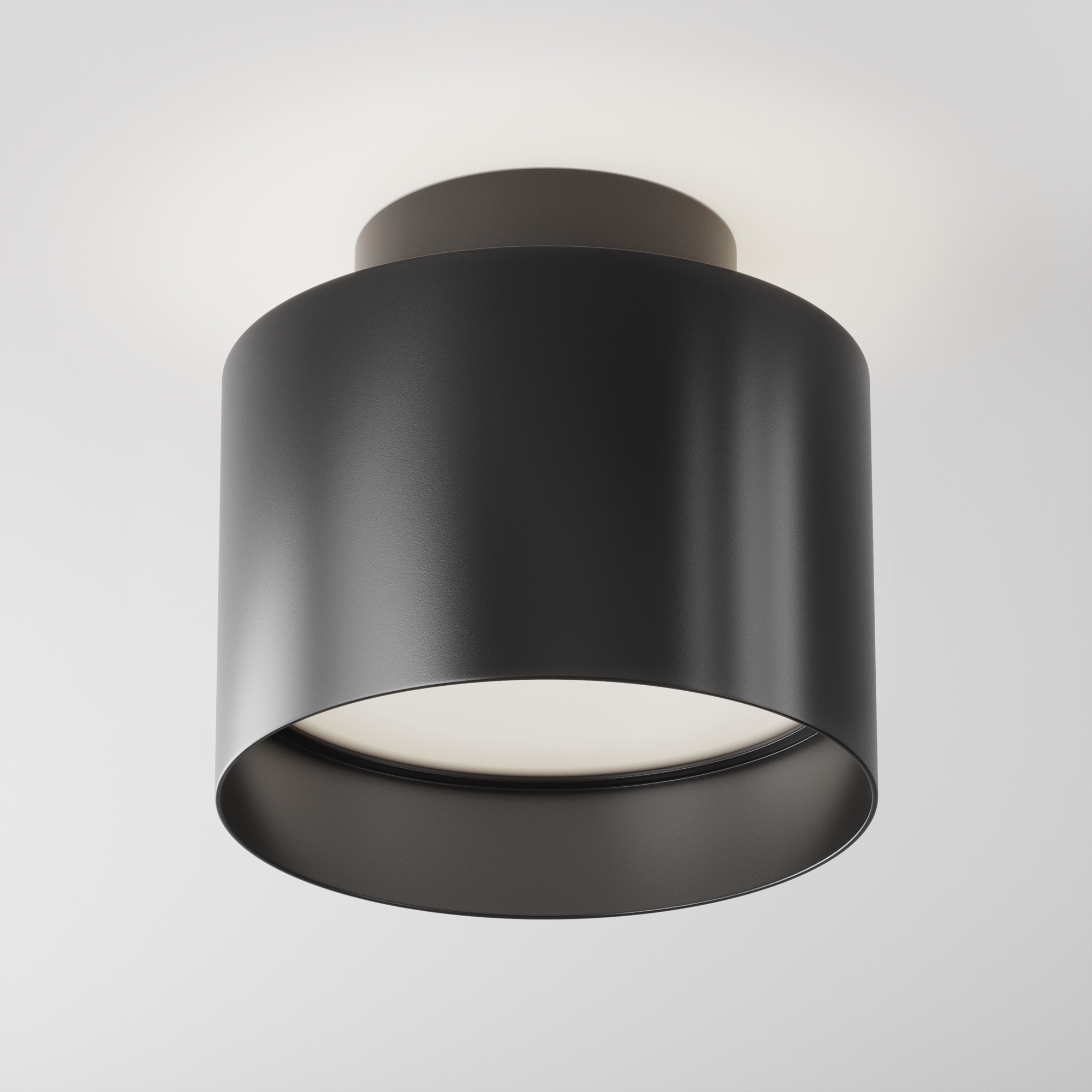
Integrated LED ceiling lights are worth the extra cost in most rooms because they last 25,000–50,000 hours and cut maintenance to almost zer…
Read Article →3 October 2026

Choose a large flush or multi-arm ceiling light at least 60cm wide, sized to the room's floor area, and layer it with task and accent lighti…
Read Article →3 October 2026

Choose a dining room ceiling light by matching its diameter to your table, hanging it 75 cm above the table, and fitting a dimmer for flexib…
Read Article →2 October 2026

Oyster ceiling lights are low-profile flush fittings that spread light evenly across a room, best suited to spaces with limited headroom.
Read Article →2 October 2026
Yes, replacing a ceiling light fitting yourself is possible for basic swaps, provided you have competence in electrical safety and follow al…
Read Article →1 October 2026

A 4000K LED ceiling light with a high CRI and dimmable driver is best for a home gym, giving bright, even, glare-free coverage across the ro…
Read Article →1 October 2026

LED ceiling lights use up to 80% less energy, last 25,000–50,000 hours, and run cooler than fluorescent fittings, making them the better cho…
Read Article →30 September 2026
Choose a flush, non-damaging ceiling light for a rented property: no structural alterations, reversible fittings, and IP-rated units in bath…
Read Article →30 September 2026

Choose a slim flush or semi-flush ceiling light under 30cm deep for a narrow hallway, mounted centrally so light spreads along the corridor.
Read Article →29 September 2026

A flush ceiling light mounts directly against the ceiling with no gap, making it the right choice for low ceilings under 2.4 metres.
Read Article →29 September 2026
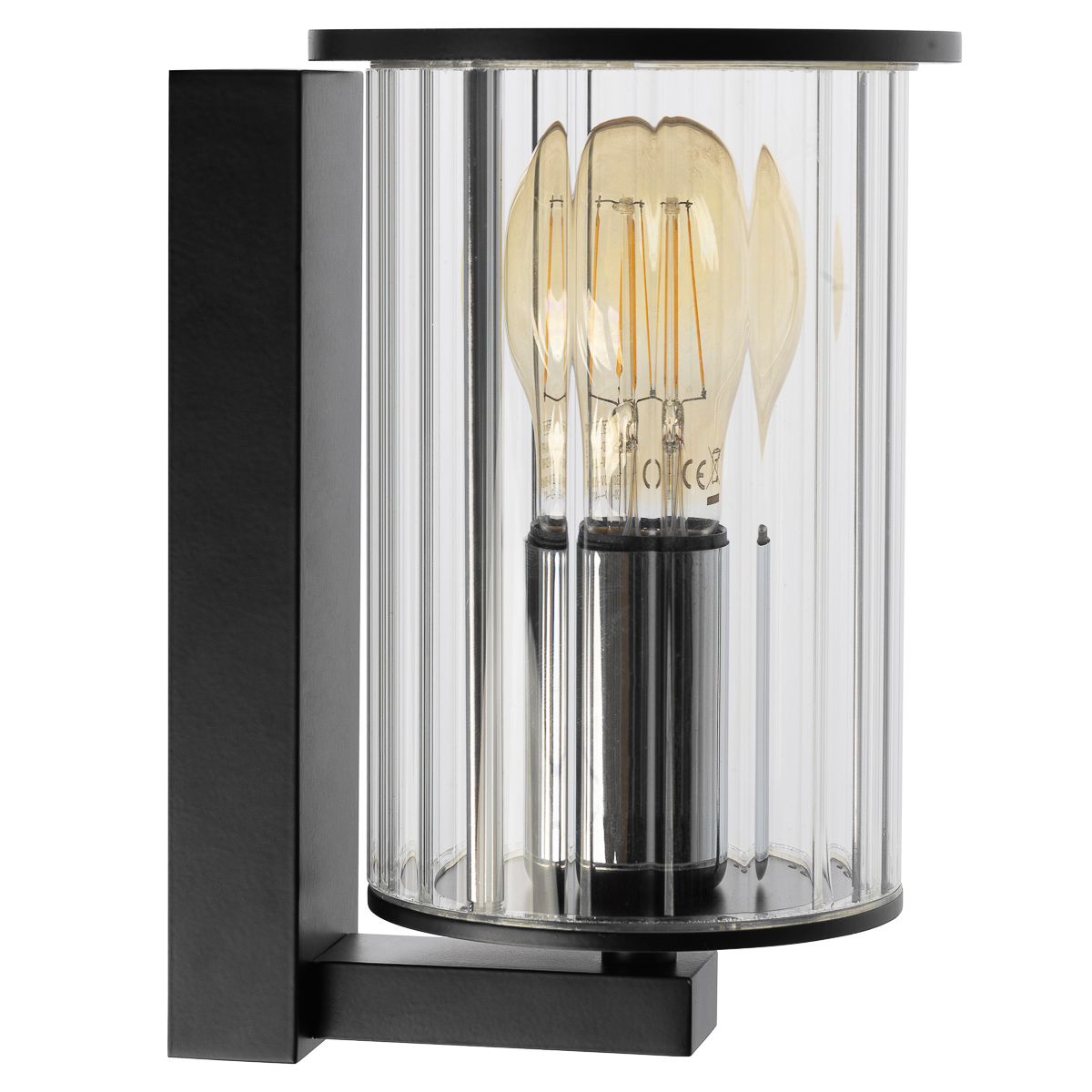
Energy-efficient LED outdoor wall lights are worth buying in the UK — they cut running costs by up to 85% and last 25,000 hours or more.
Read Article →28 September 2026
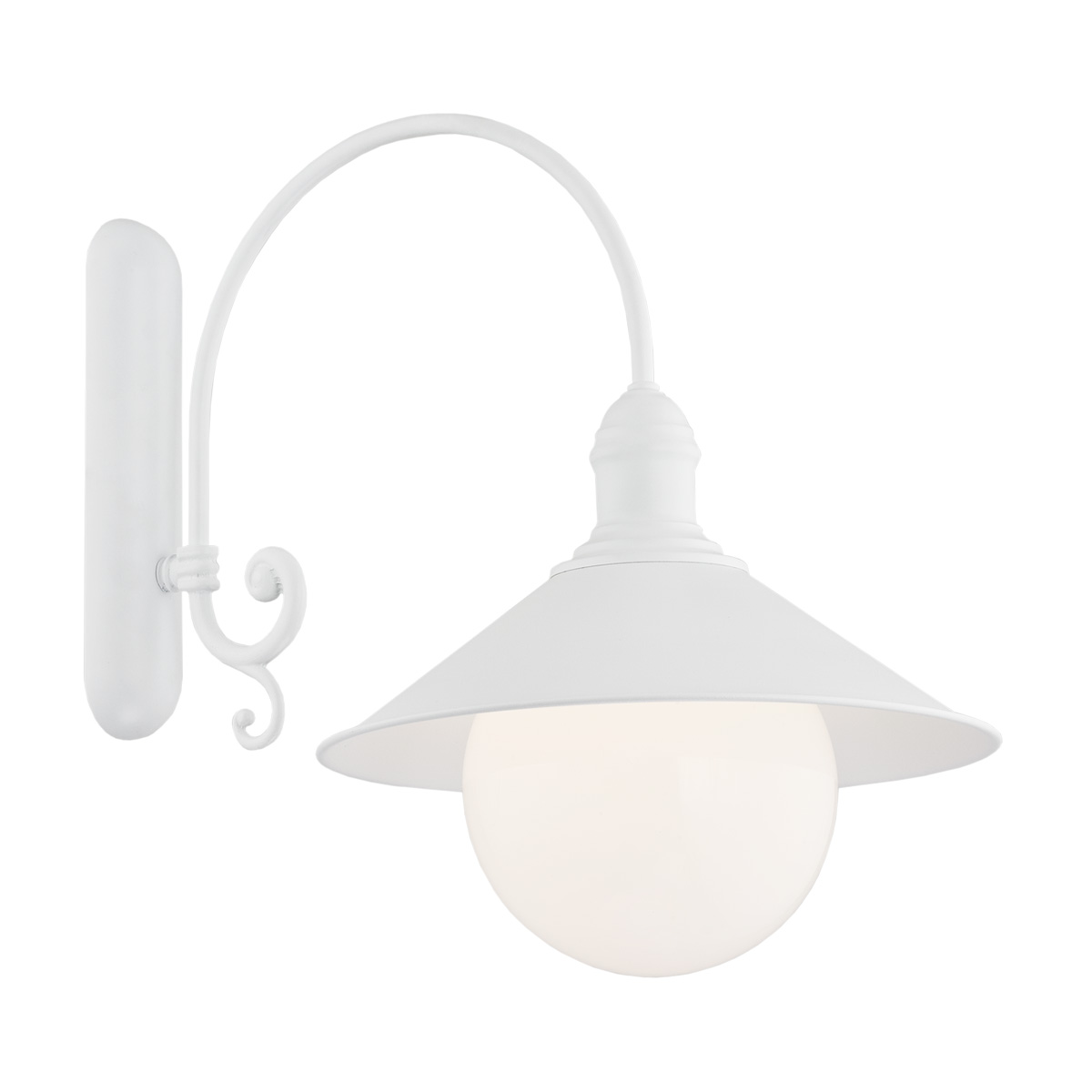
Clean outdoor wall lights by isolating the circuit, removing glass covers, washing with warm soapy water, and drying fully before restoring …
Read Article →28 September 2026
Yes — you can mount outdoor wall lights on a timber fence, provided the fitting is IP44 or above and the fence boards are structurally solid…
Read Article →27 September 2026

3000K warm white is the best colour temperature for outdoor wall lights, giving clear visibility without the harsh glare of cool white light…
Read Article →27 September 2026
Choose a lantern for traditional façades and decorative detail, or a cube for a clean, contemporary look — both must be IP44 or higher.
Read Article →26 September 2026
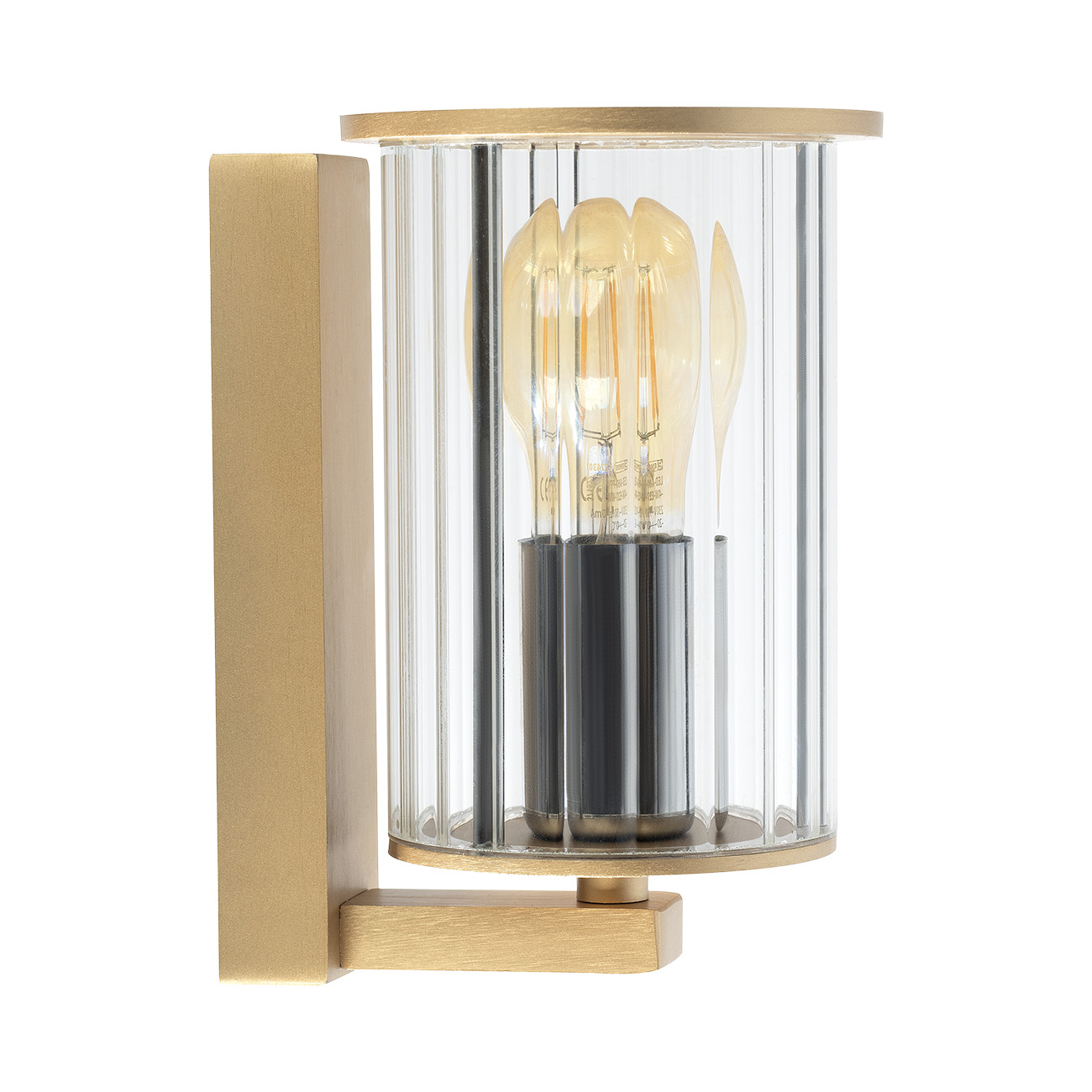
Powder-coated marine-grade aluminium is the most durable finish for outdoor wall lights, outlasting paint, chrome and bare steel in UK weath…
Read Article →26 September 2026
Quality PIR outdoor wall lights stay reliable in cold UK weather, but sensor sensitivity drops and false triggering rises below roughly 5°C.
Read Article →25 September 2026
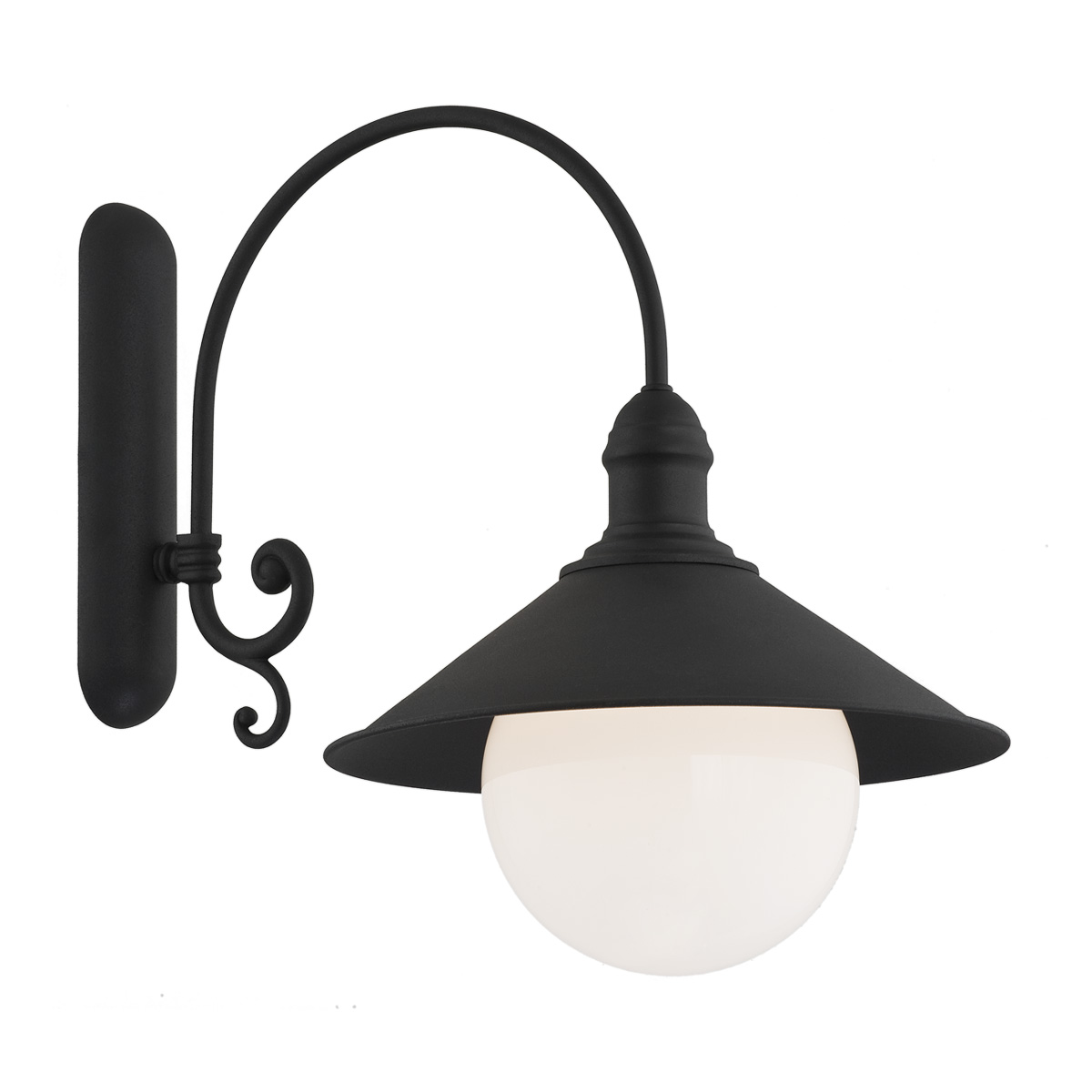
Outdoor wall lights are wired from inside via a switched 1.5mm² supply through an RCD-protected circuit, with connections in an IP-rated enc…
Read Article →25 September 2026
Position outdoor wall lights 1.7–2 metres above ground level and space them 2.5–3 metres apart along a pathway for even, glare-free illumina…
Read Article →24 September 2026

The best outdoor wall lights for a double garage are IP44 up/down or bulkhead fittings with 3000K LEDs, mounted 1.8–2 metres high on both si…
Read Article →24 September 2026
Yes — outdoor wall lights can be solar powered, using a photovoltaic panel to charge an integrated battery that runs the LED fitting after d…
Read Article →23 September 2026
Surface-mounted outdoor wall lights fix onto the wall face; recessed units sit flush within it, differing in depth, weatherproofing and inst…
Read Article →23 September 2026
Black outdoor wall lights are a lasting trend, not a passing fashion — matt black has dominated UK exterior fittings for over a decade.
Read Article →22 September 2026
Choose outdoor wall lights for a period property by matching IP44 minimum fittings, 2700-3000K colour temperature and designs that suit the …
Read Article →22 September 2026

Match the outdoor wall light to roughly one third of the height of the door or wall section it flanks, and mount it about 1.7 metres up.
Read Article →21 September 2026
Lantern outdoor wall lights are best used for front doors, porches and entrances, where sealed glass protects the lamp from British weather.
Read Article →21 September 2026
Outdoor wall lights do deter opportunistic burglars by removing cover, though they work best alongside locks, alarms and visible security me…
Read Article →20 September 2026

You can install an outdoor wall light without an electrician if the fitting is plug-and-play or you swap a fitting on an existing circuit.
Read Article →20 September 2026

Choose an outdoor wall light for a front door with an IP44 minimum rating, 3000K colour temperature, and a mounting height of 1.8–2 metres.
Read Article →19 September 2026
Outdoor wall lights in the UK need IP44 as a minimum in sheltered positions, and IP65 where driving rain or water jets are expected.
Read Article →19 September 2026
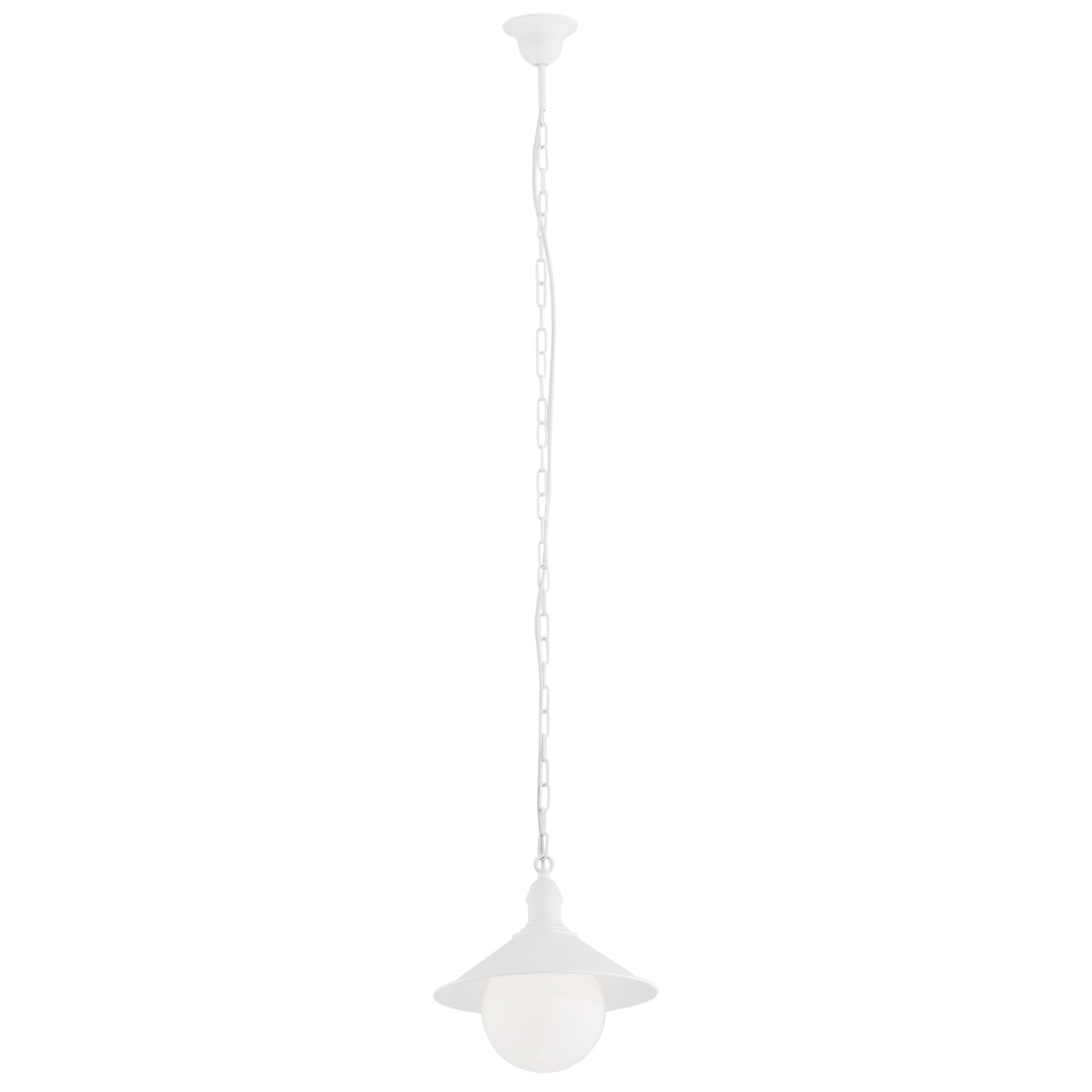
IP44 outdoor pendant lights are suitable for a greenhouse or cold frame, provided the fitting stays clear of irrigation and condensation zon…
Read Article →18 September 2026
Choose outdoor pendant lights for a seaside property with IP44 or higher ratings, marine-grade or powder-coated bodies, and sealed diffusers…
Read Article →18 September 2026
Waterproofing an outdoor pendant light fitting means choosing an IP44-rated unit, sealing every cable entry, and using weatherproof connecto…
Read Article →17 September 2026
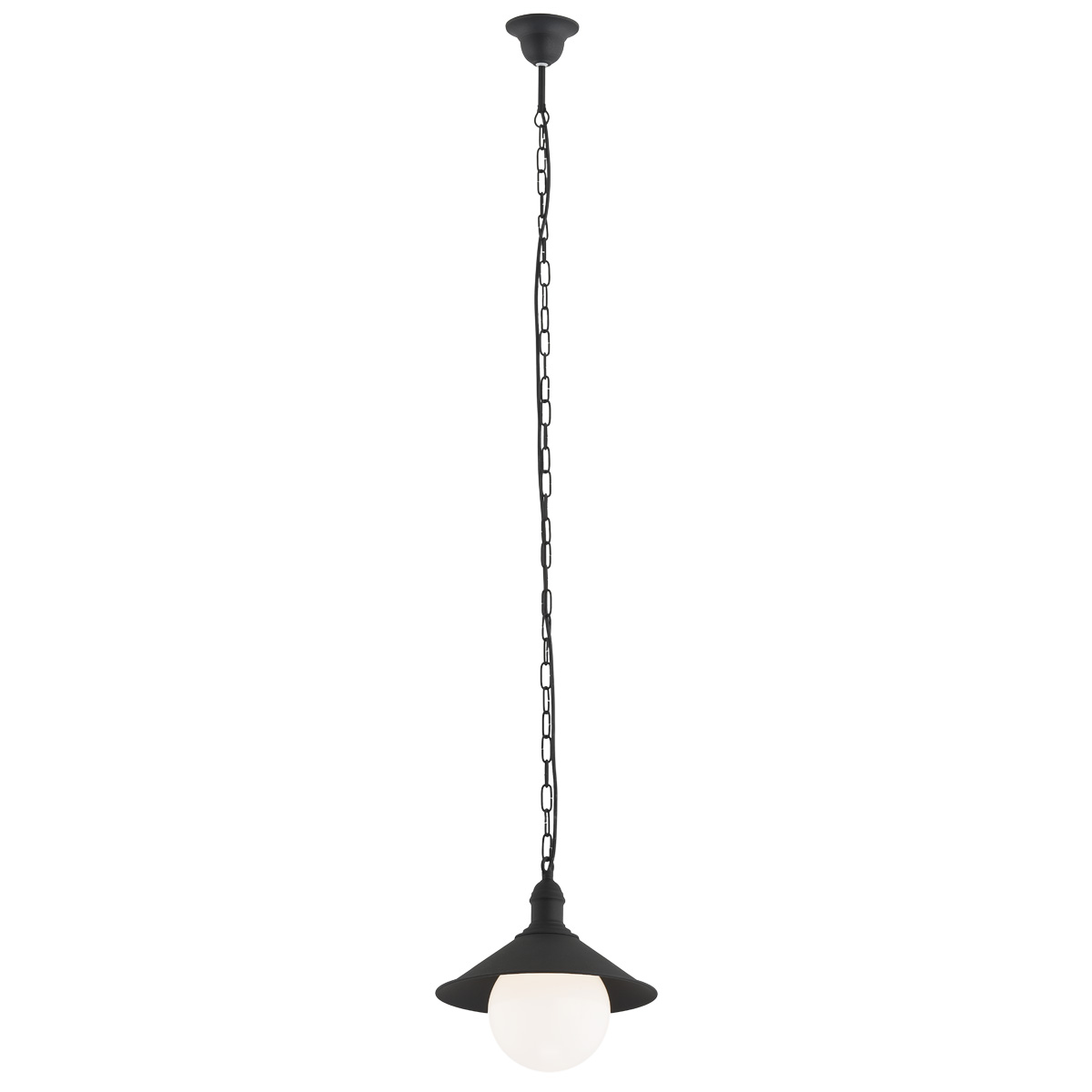
Layer ambient, task and accent lighting at 2700–3000K over a covered outdoor dining area, using IP44-rated fittings rated for exposed positi…
Read Article →17 September 2026
Yes — you can leave outdoor pendant lights on overnight, provided the fitting is IP44 or above, installed to BS 7671, and on a suitable circ…
Read Article →16 September 2026
Cage outdoor pendant lights are fittings protected by a metal wire frame, best suited to exposed porches, entrances, and open-sided carports…
Read Article →16 September 2026
Wooden outdoor pendant lights last 10–20 years when made from teak or hardwood and sealed, but untreated softwood fails within a few seasons…
Read Article →15 September 2026
Outdoor pendant lights stop swinging when you shorten the suspension, rigidify the fixing point, and choose a heavier fitting rated for expo…
Read Article →15 September 2026
Multiple outdoor pendant lights connect via a switched radial circuit, with each fitting wired to the same supply through a junction box or …
Read Article →14 September 2026
Use an IP44-rated, 3000K LED bulb in an outdoor pendant light — LED handles weather, cold starts and vibration better than halogen or filame…
Read Article →14 September 2026
Festoon lights are strings of bulbs on a cable, while outdoor pendant lights are single hanging fittings — they differ in form, wiring and u…
Read Article →13 September 2026
Coastal, industrial and lantern-style outdoor pendant lights suit a garden bar best, provided each fitting carries a minimum IP44 weather ra…
Read Article →13 September 2026
Outdoor pendant lights can be used in the rain if they carry an IP44 rating or higher and every connection, gland and cable run is correctly…
Read Article →12 September 2026
You can install outdoor pendant lights without drilling by using adhesive, weighted bases, gutter or fascia mounts, or fixed mounting points…
Read Article →12 September 2026
Choose an outdoor pendant light for a pergola with a minimum IP44 rating, 2700–3000K lamps, corrosion-resistant materials and 2.1m head clea…
Read Article →11 September 2026
Outdoor pendant lights should hang roughly 2.1–2.3 metres above ground level at an entrance, and 2 metres minimum over a walkway or patio.
Read Article →11 September 2026
Natural rattan pendant lights are not suitable for outdoor use; only synthetic wicker models rated IP44 or higher can survive rain and frost…
Read Article →10 September 2026
Protect outdoor pendant lights from wind by choosing IP44-rated fittings, shortening drop lengths, and securing it with a wind-rated bracket…
Read Article →10 September 2026
Yes — you can hang a pendant light outside, provided it carries an IP44 rating or higher and the circuit is protected by an RCD.
Read Article →9 September 2026
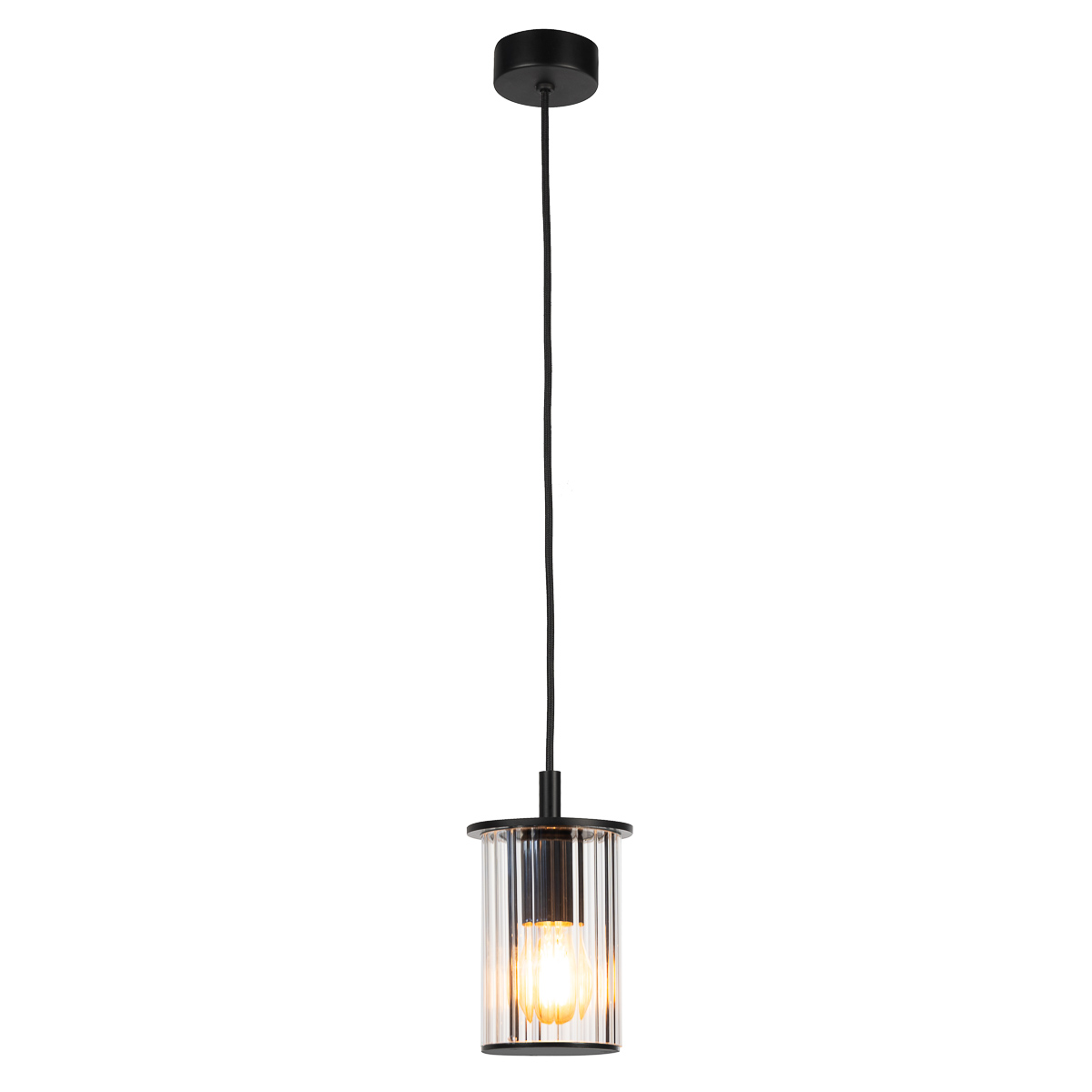
Outdoor pendant lights need IP44 as a minimum in covered exterior locations, and IP65 where they face direct rain, jets of water, or washdow…
Read Article →9 September 2026
Solar-powered outdoor ceiling lights work well for low-duty lighting in sunny spots, but mains or hardwired fittings outperform them for rel…
Read Article →8 September 2026
Outdoor ceiling lights survive winter best with an autumn clean, seal and gasket checks, and prompt replacement of corroded fittings.
Read Article →8 September 2026
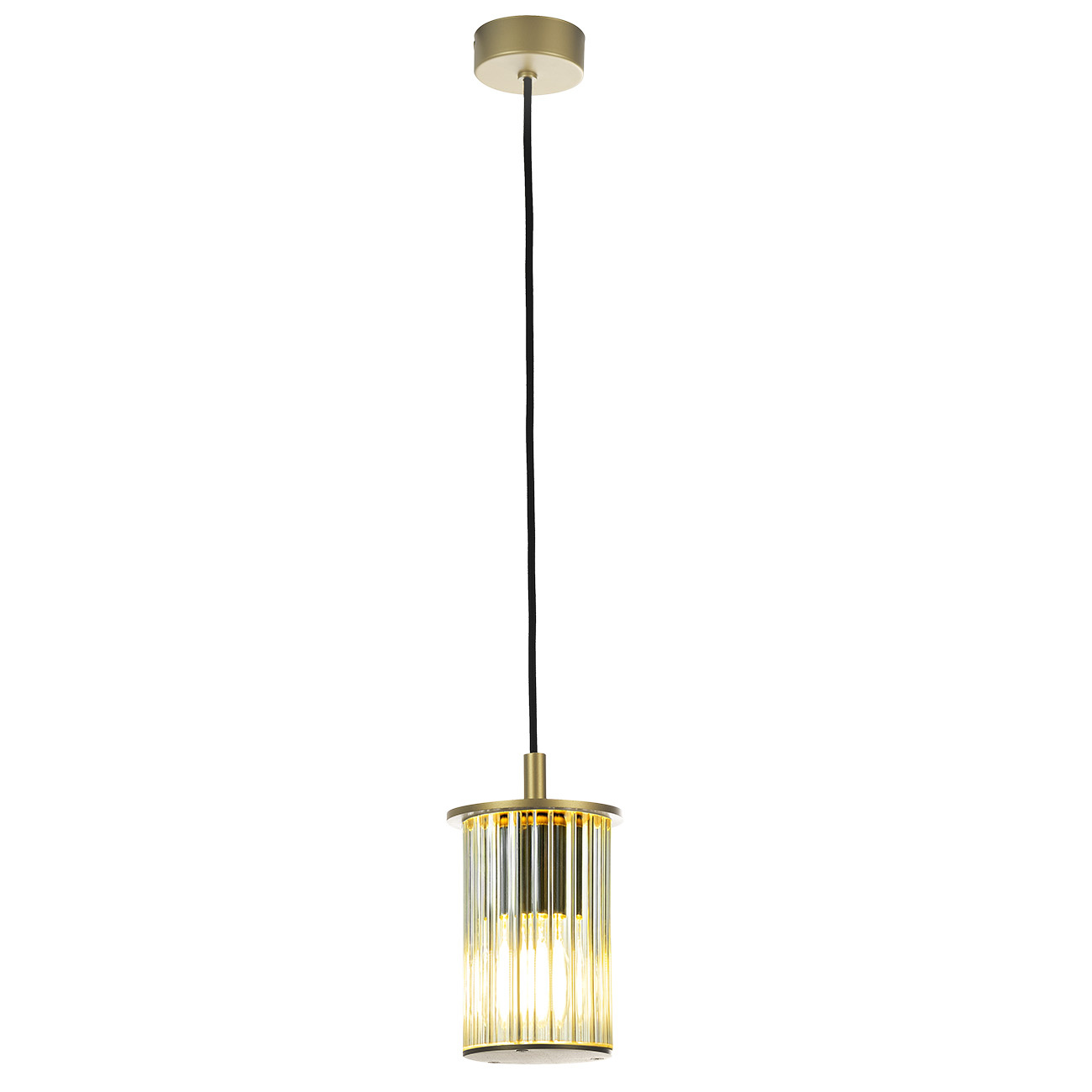
Choose outdoor ceiling lights for a bike store with an IP44 minimum rating, 3000K LEDs, and 100–150 lux at floor level for safe, even covera…
Read Article →7 September 2026
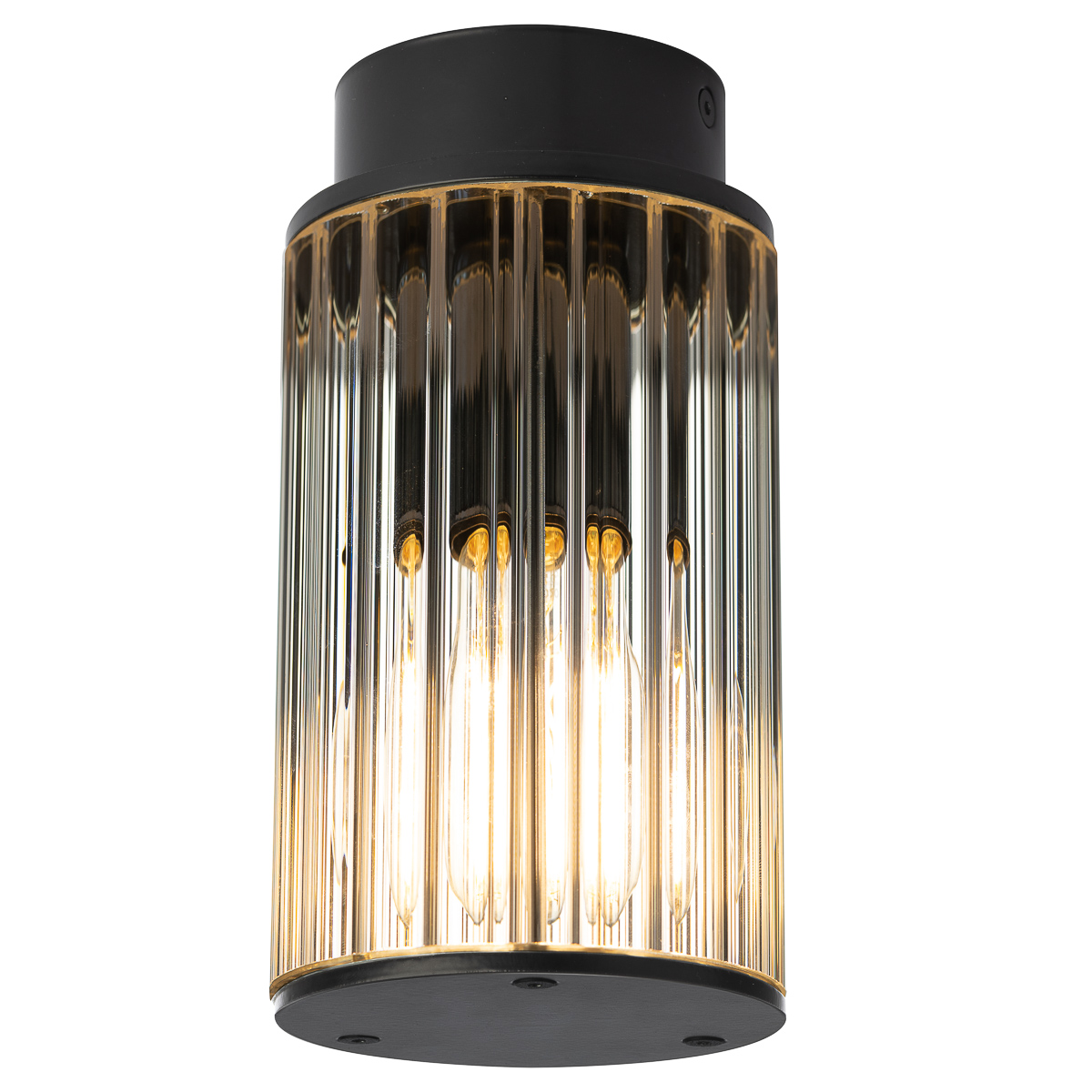
Warm white 3000K is the best colour temperature for outdoor ceiling lights, balancing visibility, comfort, and minimal light spill.
Read Article →7 September 2026
Outdoor ceiling lights can be used near water features provided they carry a minimum IP44 rating and are installed to BS 7671 zone requireme…
Read Article →6 September 2026
Outdoor ceiling lights rust when moisture reaches bare metal, so prevention relies on corrosion-resistant materials and well-maintained seal…
Read Article →6 September 2026
Wire an outdoor ceiling light to an indoor switch by running a switched live, neutral and earth from the circuit to the fitting's terminal b…
Read Article →5 September 2026
Lantern-style and ribbed glass pendants with IP44 ratings suit period homes, pairing traditional proportions with modern weather protection.
Read Article →5 September 2026
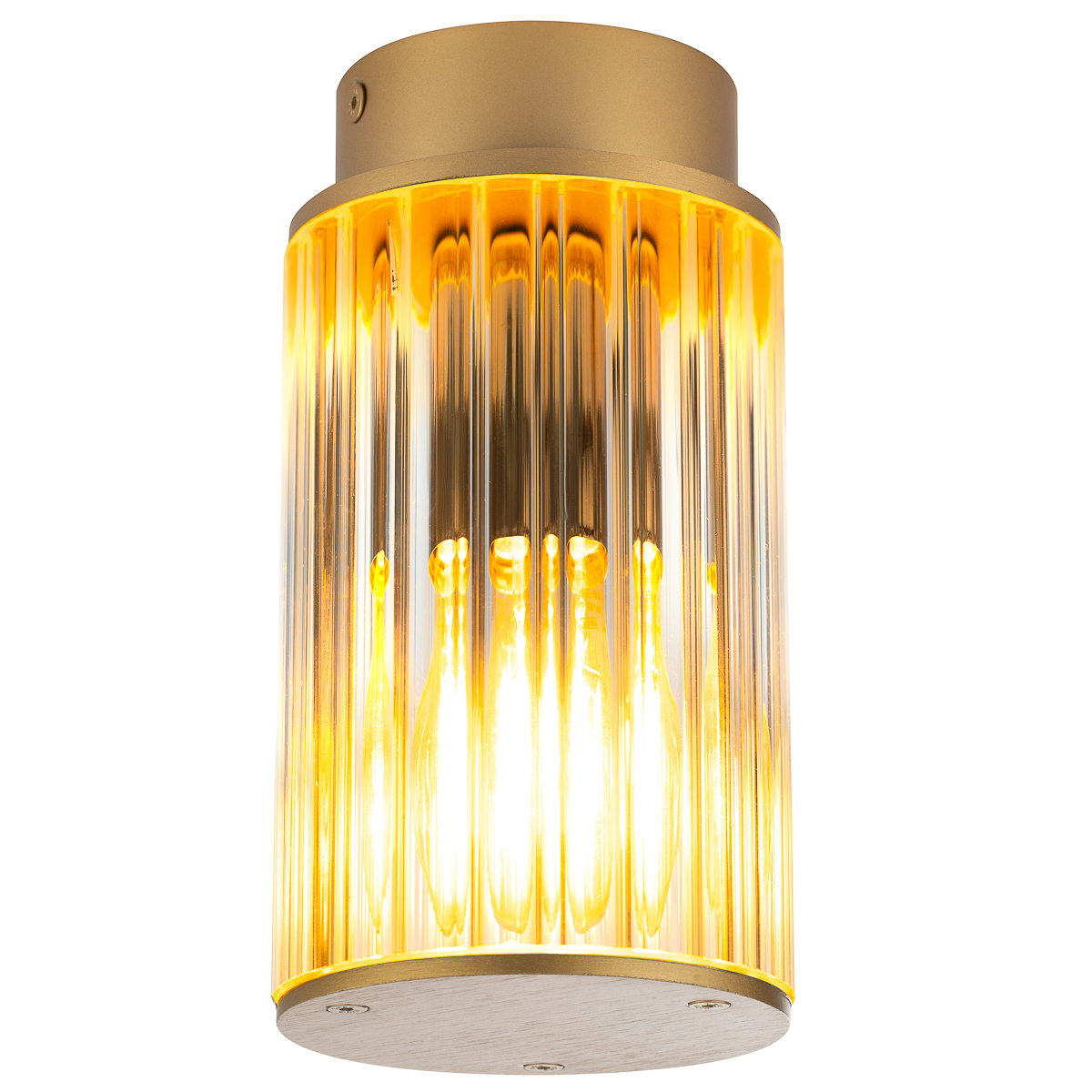
Yes — LED outdoor ceiling lights are better than halogen: they use up to 90% less energy, last 25,000 hours, and run cooler in enclosed fitt…
Read Article →4 September 2026
Choose an outdoor ceiling light for a covered terrace with at least IP44 protection, 2700–3000K LEDs, and a diameter of roughly half the ter…
Read Article →4 September 2026
Outdoor ceiling lights can be put on a timer using a mechanical or digital timer switch, a smart relay, or a photocell that tracks dusk and …
Read Article →3 September 2026
IP44 outdoor lighting withstands splashing water from any direction, while IP65 units are fully dust-tight and protected against low-pressur…
Read Article →3 September 2026
Motion sensor outdoor ceiling lights are worth it for security, convenience and energy savings, provided the sensor is rated for exterior us…
Read Article →2 September 2026
Outdoor ceiling lights need 300–600 lumens for ambient areas and 700–1,200 lumens for task or security zones, measured with the bulb fitted.
Read Article →2 September 2026
Installing an outdoor ceiling light safely means isolating the circuit, choosing an IP44-rated fitting, and sealing every cable entry fully.
Read Article →1 September 2026
The best outdoor ceiling lights for a carport are IP44-rated or better, fully sealed against rain, and bright enough at 3000K to light the f…
Read Article →1 September 2026
Yes, you can use an IP44-rated indoor ceiling light outside under a fully enclosed canopy, but open or exposed areas need IP65 as a minimum.
Read Article →31 August 2026
Outdoor ceiling lights in the UK need IP44 as a minimum in most exposed locations, and IP65 or higher where rain can strike the fitting dire…
Read Article →31 August 2026
No — outdoor ceiling lights are not weatherproof by default; check the IP rating, as only IP44 and above resist moisture and dust ingress.
Read Article →30 August 2026
Choose an outdoor porch ceiling light with at least IP44 protection, a 2700–3000K lamp, and a size scaled to the porch's width and ceiling h…
Read Article →30 August 2026

A floor lamp works well as a reading lamp in bed provided it delivers 300–500 lux on the page and the shade sits at roughly shoulder height.
Read Article →29 August 2026
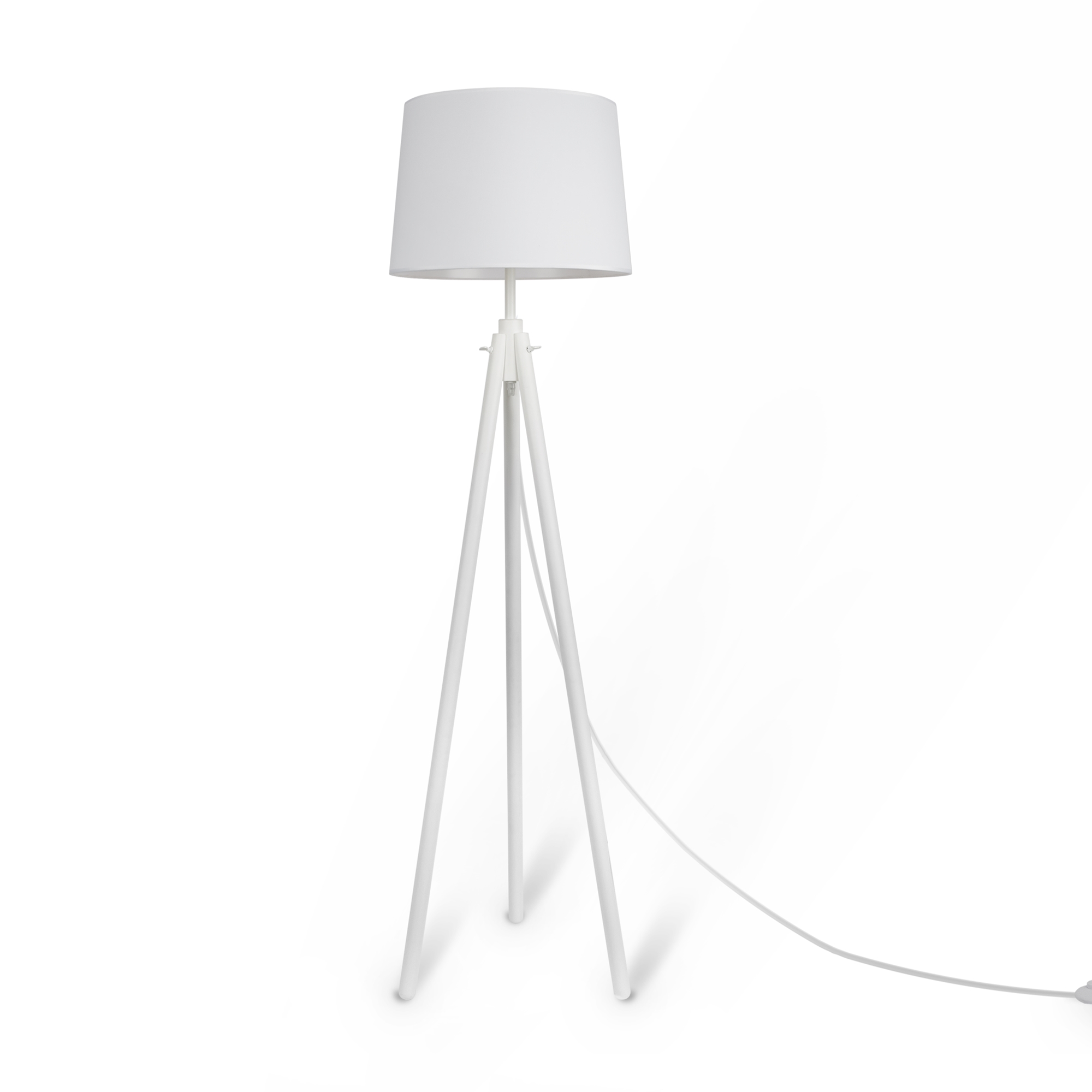
Style a floor lamp in a small flat by placing it behind seating, choosing a slim base under 30cm, and using it to layer light.
Read Article →29 August 2026

A floor lamp in a room with high ceilings should stand 150–180cm tall so the shade sits near eye level and the proportions feel deliberate.
Read Article →28 August 2026

The best floor lamps for ambient lighting use diffused shades around 1500–2500 lumens, placed to bounce light off walls rather than spotligh…
Read Article →28 August 2026

Rattan floor lamps are durable for everyday indoor use, typically lasting 10–15 years, but the natural weave degrades in damp or outdoor set…
Read Article →27 August 2026
Choose a home office floor lamp with 800–1,100 lumens, an adjustable or directional head, and a shade no wider than 45 centimetres.
Read Article →27 August 2026

Yes — floor lamps work on a smart home system via smart bulbs, smart plugs, or an inline smart module wired into the lamp's flex by an elect…
Read Article →26 August 2026

LED bulbs in the 2700K–3000K range with a minimum 80 CRI are the best bulb type for a floor lamp, balancing efficiency, colour quality and l…
Read Article →26 August 2026

Dimmable floor lamps are worth buying because they let one fitting serve reading, ambient and accent roles at different brightness levels.
Read Article →25 August 2026
Position a floor lamp behind and slightly to the side of your seating so light falls over your shoulder, clearing shadows from the task ahea…
Read Article →25 August 2026

Choose a floor lamp shade shape and material by matching the shade width to the lamp base height and picking a material that suits the room'…
Read Article →24 August 2026
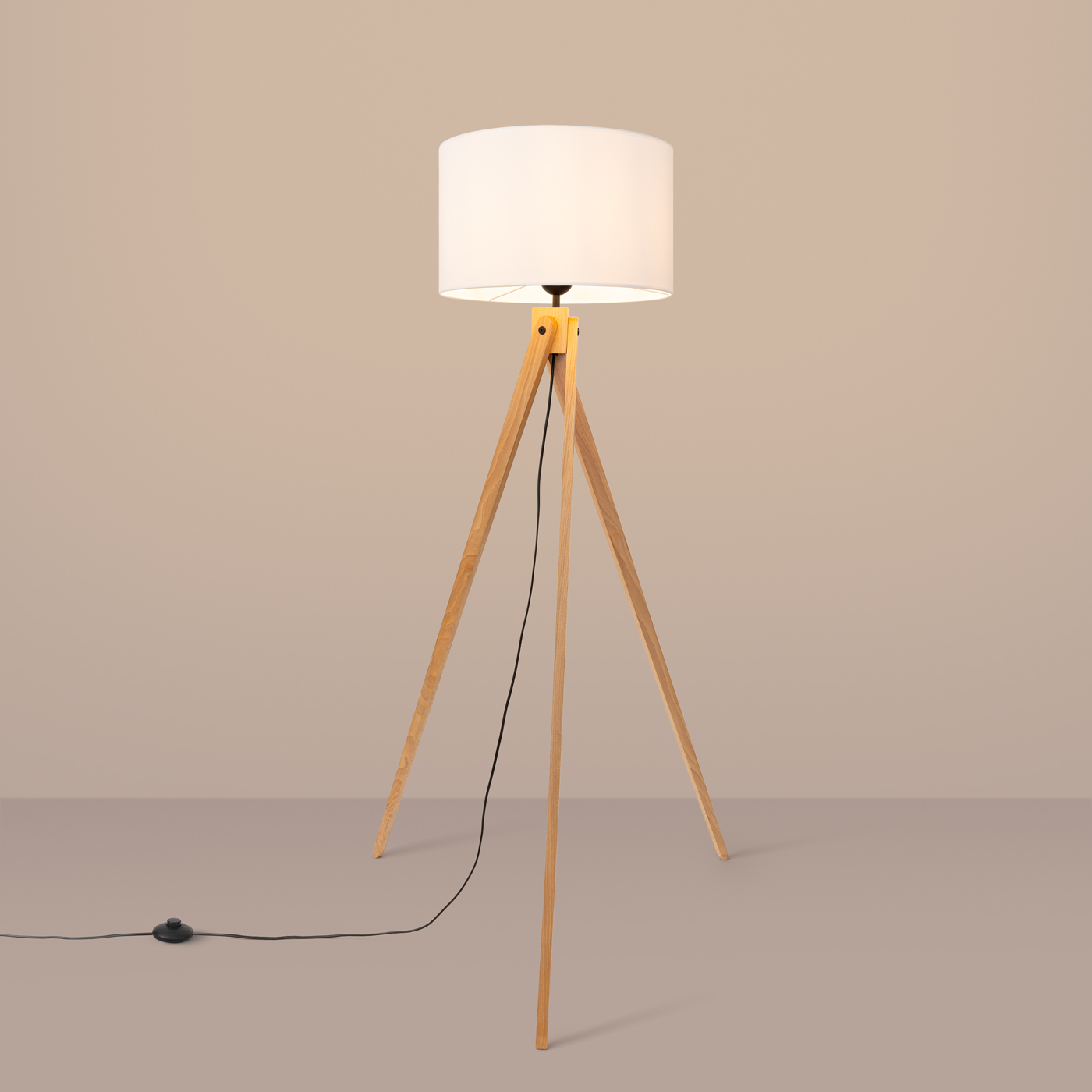
The best floor lamps for Scandi-style interiors pair pale timber or matte white finishes, 2700K warm light, and a slim, uncluttered silhouet…
Read Article →24 August 2026

A well-built tripod floor lamp with a solid oak or steel frame and a weighted base is sturdy enough for daily use in a normal household.
Read Article →23 August 2026
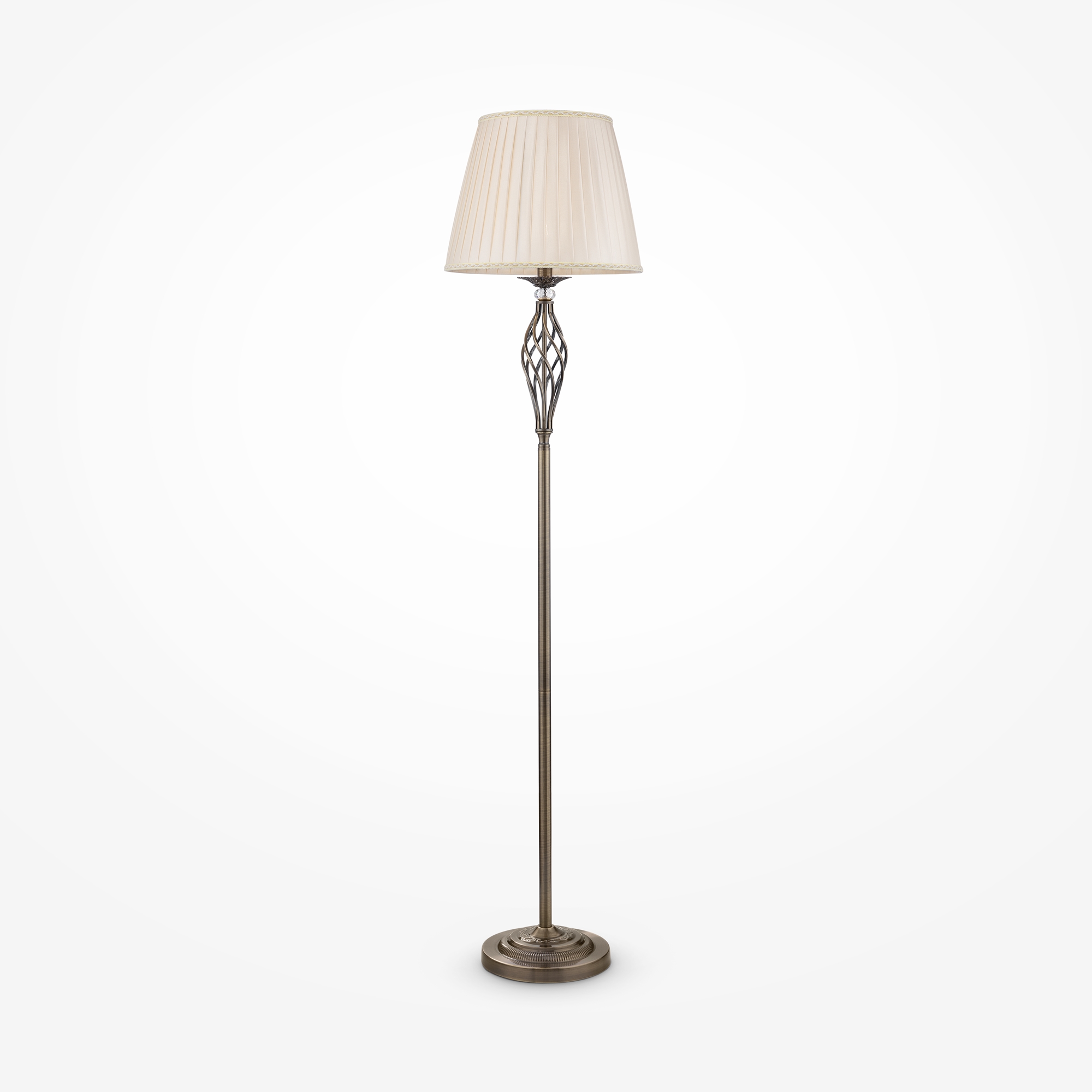
A floor lamp works well behind a sofa when the shade sits at roughly 150–165cm, clearing the backrest and casting light where it is needed.
Read Article →23 August 2026

Choose a floor lamp for a dark bedroom corner with a 2700–3000K bulb, at least 800 lumens, and a shade that spreads light across the whole s…
Read Article →22 August 2026
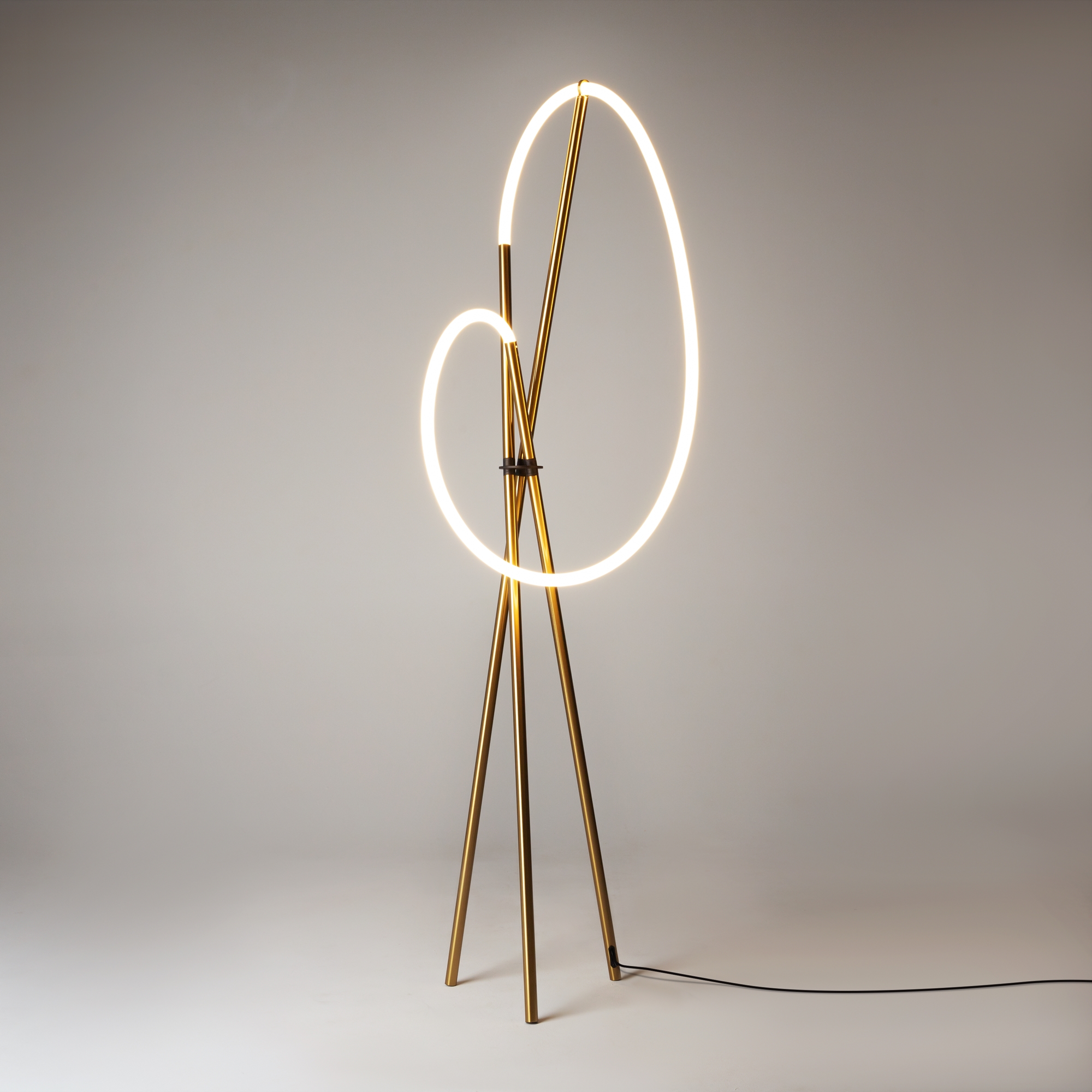
A torchiere directs light upward to bounce off the ceiling, while a standard floor lamp throws light downward or sideways from a shade.
Read Article →22 August 2026

Arc floor lamps are safe in homes with children when weighted bases, stable placement and cable management are sorted before the lamp is use…
Read Article →21 August 2026

A floor lamp can provide enough light for reading if it delivers at least 450 lumens at 3000–4000K with the shade positioned beside your sho…
Read Article →21 August 2026

Choose a floor lamp by matching its height to your seating, its light output to the room's tasks, and its base footprint to your floor space…
Read Article →20 August 2026

The right height for a floor lamp is 152–170cm from floor to the top of the shade, with the bottom of the shade at roughly eye level when se…
Read Article →20 August 2026

Style a pair of table lamps on a console table by matching lamp height to the table, spacing evenly, and flanking a central focal object.
Read Article →19 August 2026

A suitable home office table lamp delivers 400–600 lumens at 3000–4000K, sits at the right height, and directs light onto the desk without s…
Read Article →19 August 2026

Choose a table lamp for a child's bedroom with a warm 2700K bulb, a stable weighted base, an in-line switch, and a shade that softens glare.
Read Article →18 August 2026

The best table lamp wattage for reading is the equivalent of a 60W incandescent — roughly 8–10W LED, producing 450–800 lumens at 2700–3000K.
Read Article →18 August 2026

Ceramic is significantly less brittle than glass, so it resists chipping and cracking from everyday knocks and minor impacts far better.
Read Article →17 August 2026

Drum shade table lamps feature a cylindrical shade with no taper, the same diameter at top and bottom, creating a clean, balanced look.
Read Article →17 August 2026

Yes — table lamps can be used outdoors when they carry an IP44 rating or higher and are connected to a weatherproof, RCD-protected supply.
Read Article →16 August 2026

Choose a table lamp's colour temperature by matching Kelvin to the room's use: 2700K for relaxation, 3000K for reading, 4000K for task work.
Read Article →16 August 2026

Match base height to shade diameter at a 1:1.5 ratio, align finishes tonally, and ensure the shade bottom sits at eye level when seated.
Read Article →15 August 2026

Period properties suit table lamps with brass, bronze, or ceramic bases, fabric shades, and warm 2700K bulbs that echo the building's origin…
Read Article →15 August 2026
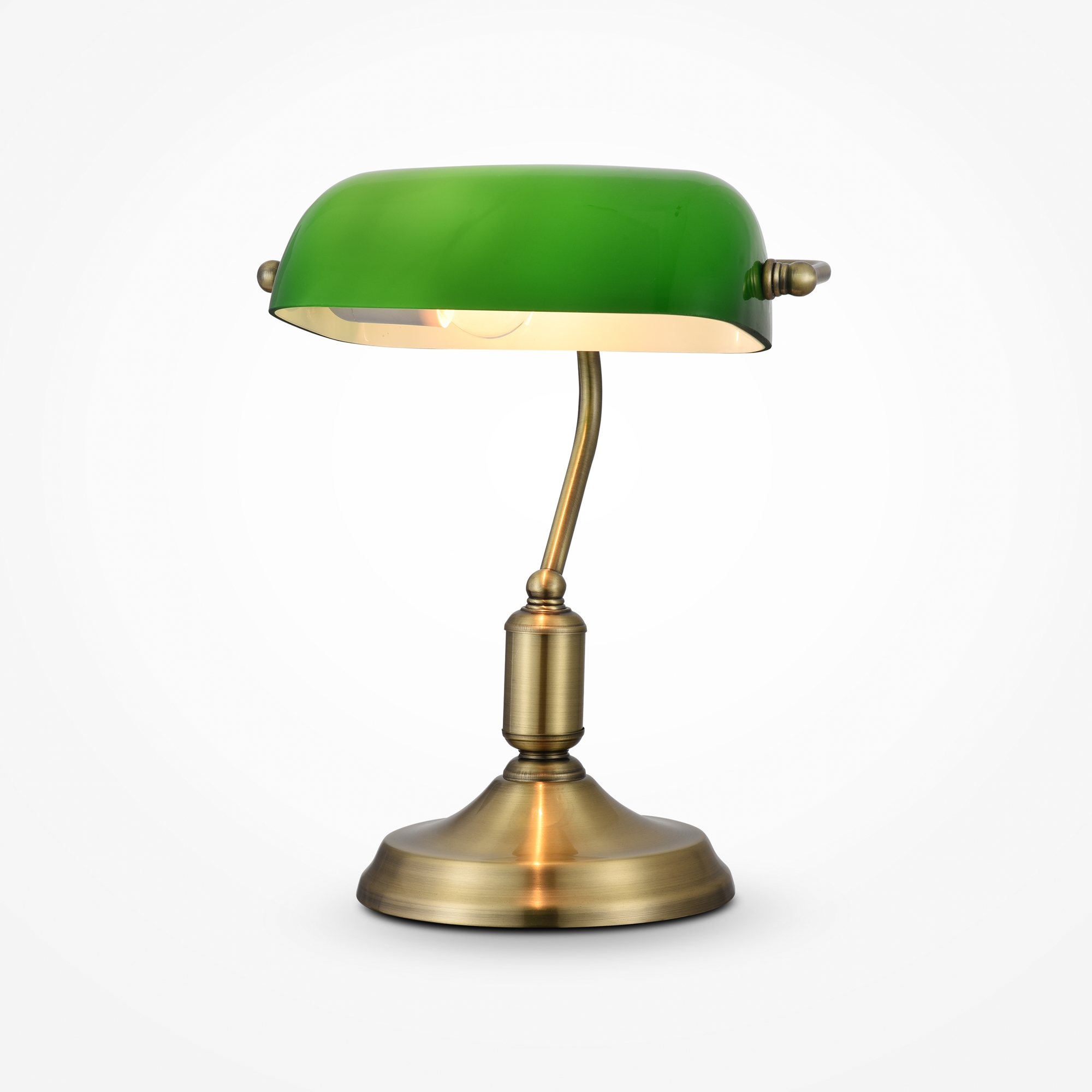
Cordless table lamps can deliver sufficient reading light if they output at least 400 lumens and use a warm-white LED around 3000K.
Read Article →14 August 2026
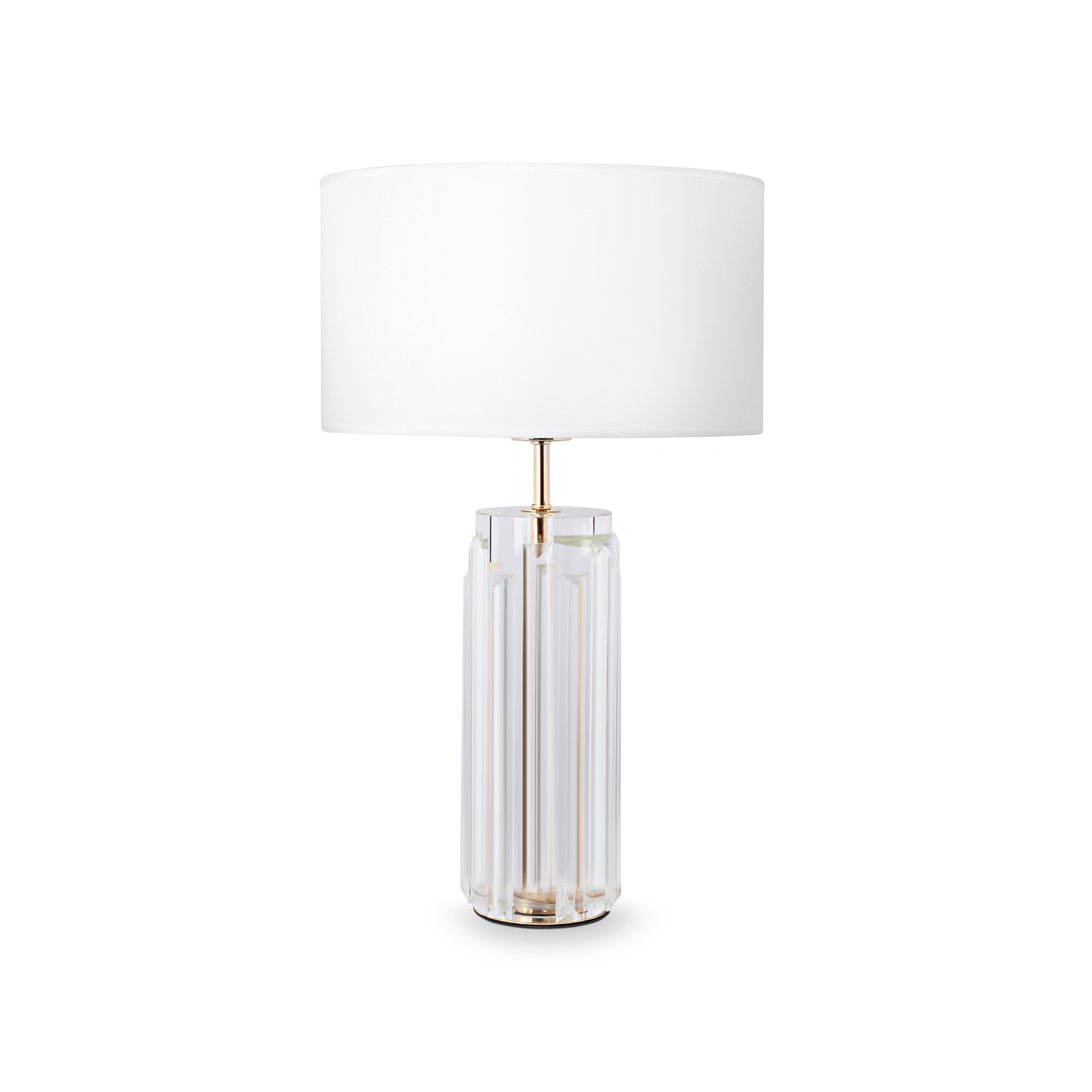
Table lamp pairs work together when they share base height, shade proportion, and a common material or colour thread across both units.
Read Article →14 August 2026

Yes — a table lamp works well on a shelf provided the shelf is deep enough, the lamp is scaled correctly, and the cable is managed safely.
Read Article →13 August 2026

Table lamps prioritise ambience and décor; desk lamps deliver directed, adjustable task light for sustained close work like reading or writi…
Read Article →13 August 2026

Touch table lamps are reliable for everyday use when built with quality capacitive sensors and CE-marked drivers rated for 50,000+ cycles.
Read Article →12 August 2026
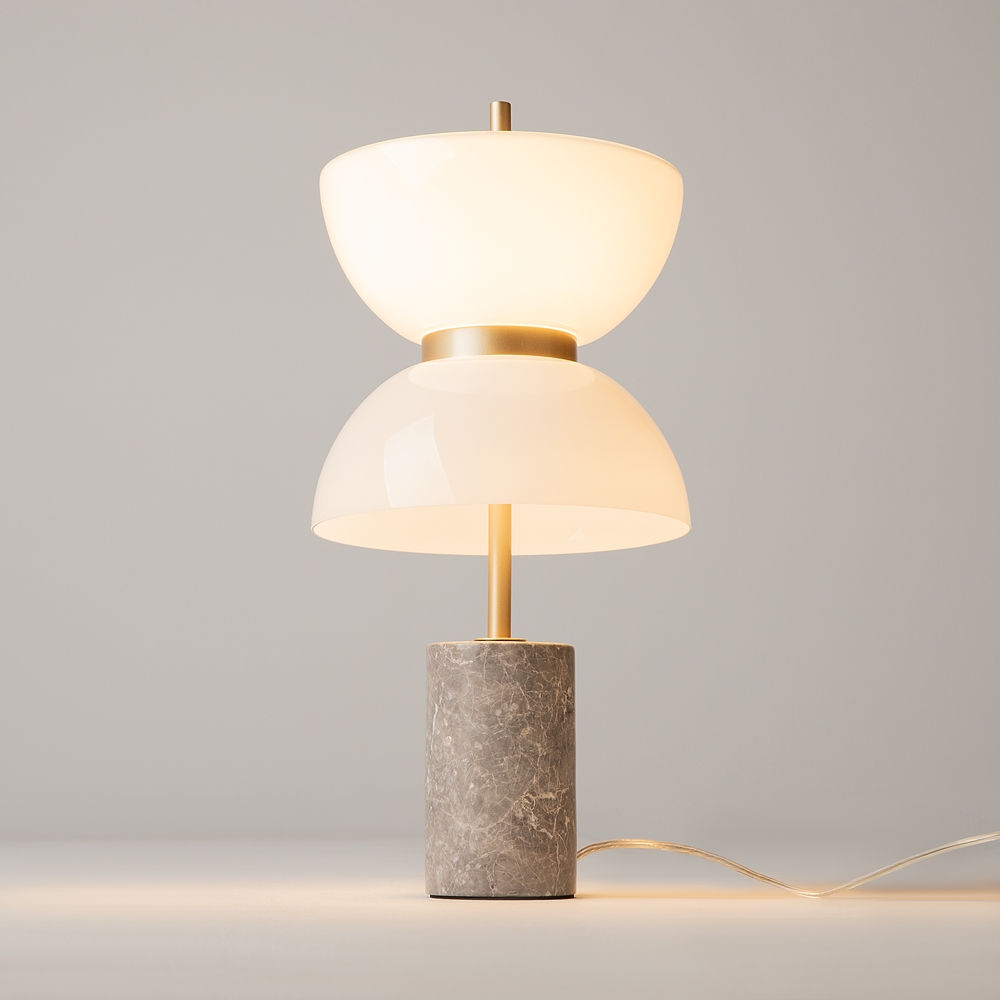
Choose a table lamp with at least 800 lumens, a warm 3000K bulb, and a translucent shade to push light outward into the corner.
Read Article →12 August 2026
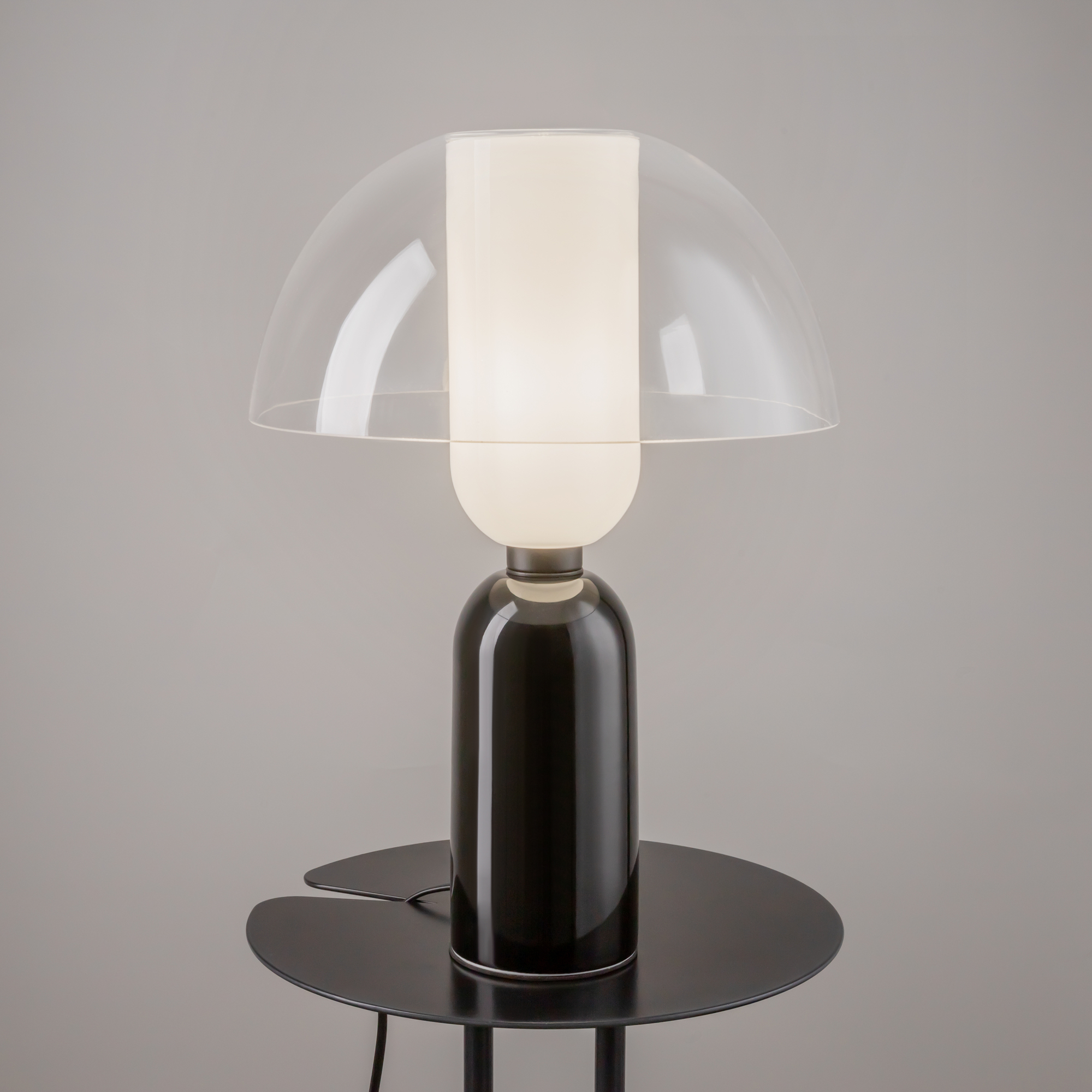
A table lamp can serve as primary lighting in small rooms if the bulb output reaches 800–1100 lumens and placement avoids deep shadows.
Read Article →11 August 2026

A lampshade for a standard table lamp base should be roughly two-thirds the height of the base and twice its width at the widest point.
Read Article →11 August 2026

Choose a table lamp under 45cm tall with a base no wider than 15cm, a warm 2700K bulb, and a shade that directs light downward for reading.
Read Article →10 August 2026
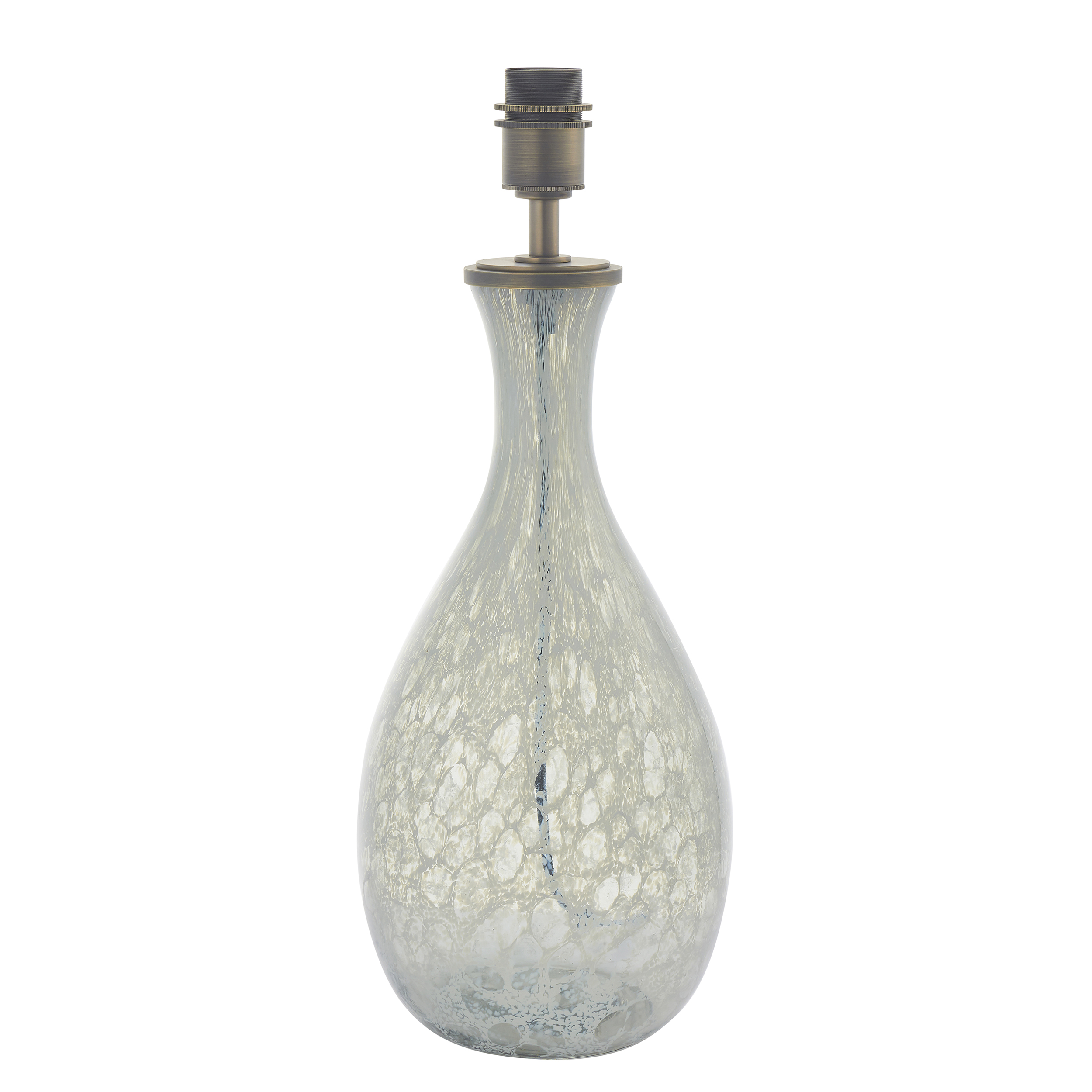
A table lamp should stand 58–64cm tall when measured from the tabletop, placing the shade base at seated eye level.
Read Article →10 August 2026

LED wall lights cost more upfront but use 75–80% less energy and last 15,000–25,000 hours, making them cheaper over any realistic lifespan.
Read Article →9 August 2026

Wall lights wire from a lighting circuit via a junction box or loop-in ceiling rose, using 1mm² twin-and-earth cable to each backplate.
Read Article →9 August 2026

Match wall lights to pendants by aligning finish, colour temperature, and light direction — not by copying the style exactly.
Read Article →8 August 2026

Bathroom wall lights require a minimum IP44 rating in zone 2, and IP65 or higher within zone 1 or directly above a bath or shower.
Read Article →8 August 2026
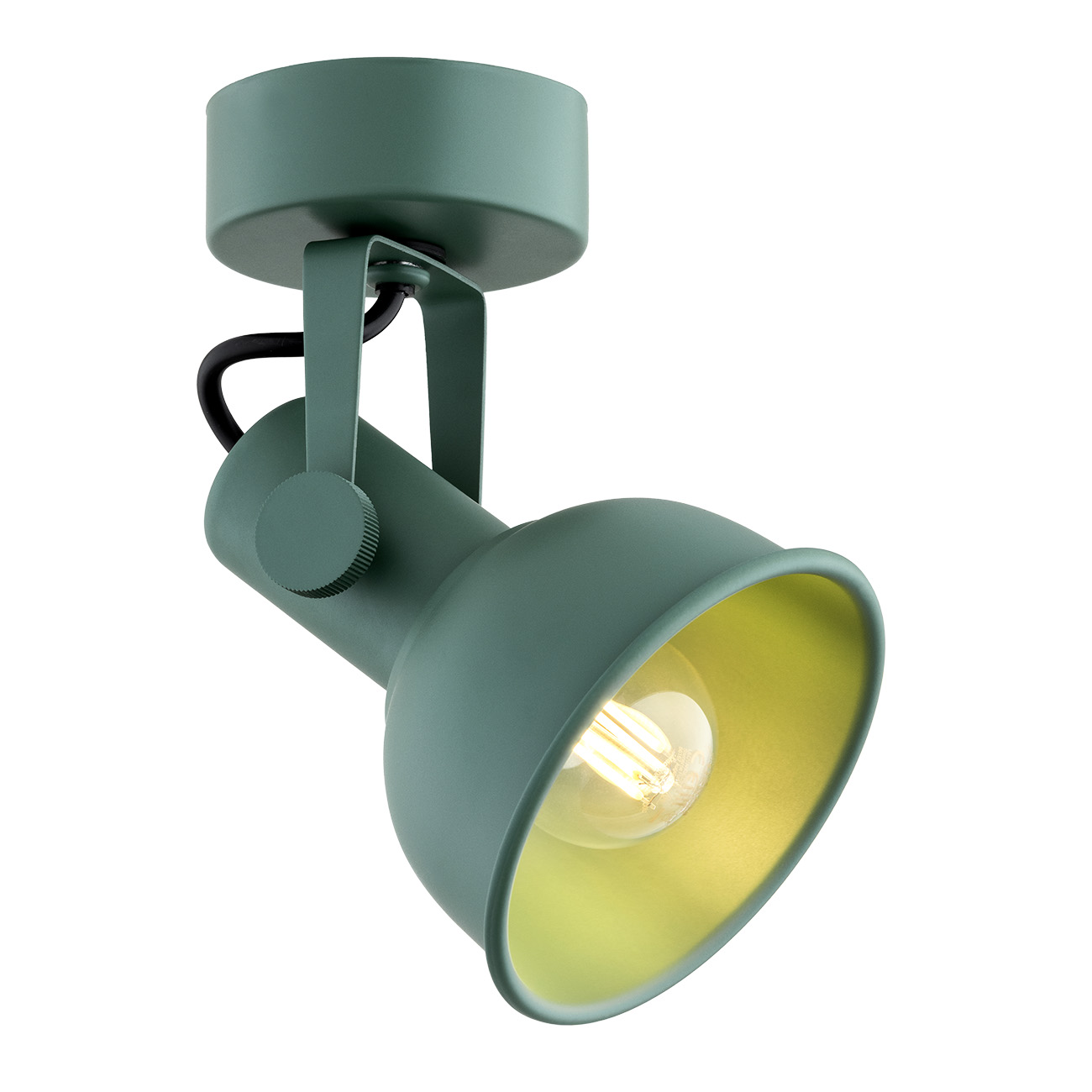
Wall lights above a bed replace bedside lamps effectively when mounted at 1.4–1.5 metres, angled downward, and switched independently.
Read Article →7 August 2026

Lantern wall lights are enclosed, box-framed fittings that work indoors in hallways, porches, and living rooms when rated IP20 or above.
Read Article →7 August 2026

Most wall lights are dimmable, but only when the fitting, bulb, and dimmer switch are all compatible with each other.
Read Article →6 August 2026

Choose staircase wall lights rated for the height, spaced 1.2–1.5 metres apart vertically, with IP20 minimum and a beam that clears each tre…
Read Article →6 August 2026

Wall lights can be installed without chasing by using surface conduit, plug-in fittings, or wireless battery-powered units fixed directly to…
Read Article →5 August 2026

Uplighting wall fittings direct light upward to wash ceilings and create ambience; downlighting directs it downward for task and accent use.
Read Article →5 August 2026

Outdoor wall lights differ from indoor ones primarily in IP rating, material durability, and wiring — they are not interchangeable.
Read Article →4 August 2026

Swing arm wall lights are adjustable-arm fittings fixed to the wall that pivot and extend to direct light precisely where it is needed.
Read Article →4 August 2026

Wall lights can fully replace ceiling lights in a living room when you use enough fittings and position them to eliminate dark zones.
Read Article →3 August 2026

Bathroom wall lights must meet IP44 minimum, suit the zone, deliver flattering task light, and match the room's colour temperature and style…
Read Article →3 August 2026

Wall lights mount best at 1.5–1.7 metres from the floor for general use, adjusted lower for bedside reading or higher for stairwells.
Read Article →2 August 2026

Picture lights are directional wall-mounted fittings designed to illuminate artwork or mirrors with focused, glare-free light from above.
Read Article →2 August 2026

Wall lights are highly suitable for bedrooms, providing layered ambient and task lighting without consuming floor or surface space.
Read Article →1 August 2026

Plug-in wall lights use a flex and socket for easy repositioning; hardwired lights connect directly to mains wiring for a permanent, cable-f…
Read Article →1 August 2026
Wall lights can be installed without a socket by hardwiring directly into a spur from the ring main, which requires a Part P-qualified elect…
Read Article →31 July 2026

Choose hallway wall lights by matching fitting size to ceiling height, confirming IP rating, and selecting 2700–3000K for a welcoming tone.
Read Article →31 July 2026

Ceiling spotlights are wired in parallel, not series — each fitting connects independently to the same live, neutral, and earth conductors.
Read Article →30 July 2026

A kitchen spotlight grid spaces fittings 90–120cm apart, offset 60cm from walls, with task lighting directly above worktops and the hob.
Read Article →30 July 2026
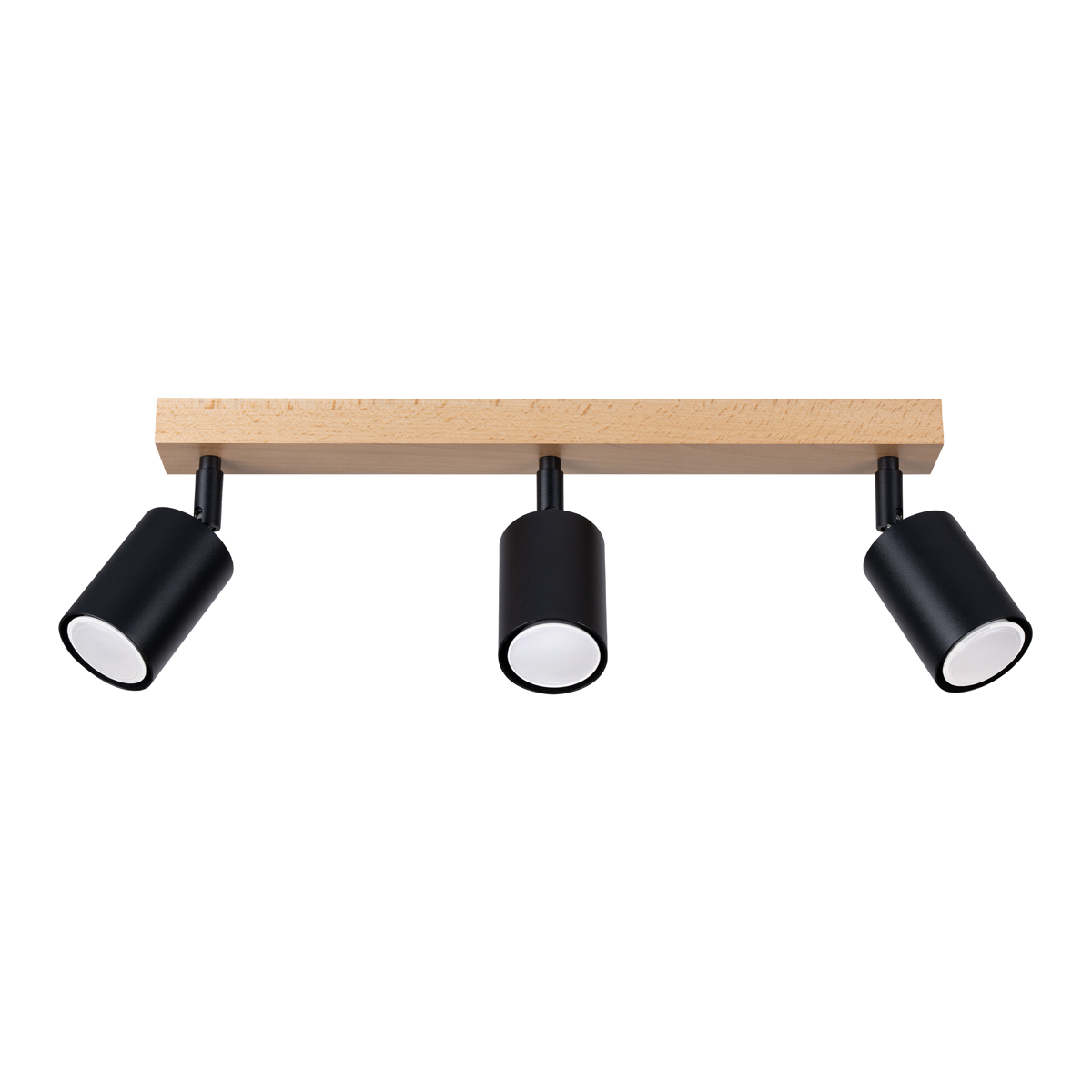
Ceiling spotlights work in a home cinema room only when dimmed, precisely aimed, and kept off the screen wall to prevent glare and washout.
Read Article →29 July 2026

Avoid glare from ceiling spotlights by choosing lamps with a narrow beam angle, using diffused covers, and positioning fittings away from si…
Read Article →29 July 2026

Tenants can install surface-mounted ceiling spotlights without landlord consent only if no rewiring is needed and all changes are reversible…
Read Article →28 July 2026

Adjustable ceiling spotlights have pivoting heads that redirect the beam, making them ideal for accent, task, and gallery lighting.
Read Article →28 July 2026

IP65 ceiling spotlights are not always required — the correct IP rating depends on which bathroom zone the fitting occupies.
Read Article →27 July 2026

Retrofit LED ceiling spotlights into halogen fittings by swapping the bulb for a GU10 LED — no rewiring needed in most fixed-voltage circuit…
Read Article →27 July 2026

Prevent ceiling spotlight overheating by using LED lamps, ensuring adequate insulation clearance, and never exceeding the fitting's rated wa…
Read Article →26 July 2026

Ceiling spotlights work best at 2700K–3000K for living spaces and 4000K for kitchens and bathrooms where task clarity matters.
Read Article →26 July 2026

Ceiling spotlights can be dimmed, but only when the lamp, fitting, and dimmer switch are all rated and matched for dimming compatibility.
Read Article →25 July 2026

Fire-rated ceiling spotlights seal the hole cut in a floor/ceiling assembly to maintain the fire resistance rating of that structure.
Read Article →25 July 2026

Ceiling spotlights work well for artwork when aimed at 30 degrees to the canvas, using a narrow 15–25 degree beam and a high CRI lamp.
Read Article →24 July 2026

Space ceiling spotlights by dividing the room width by the number of fittings plus one, then repeat that interval across both axes.
Read Article →24 July 2026

Choose beam angle by matching it to the task: 15–25° for accent lighting, 36–45° for general illumination, and 60°+ for wide-area wash.
Read Article →23 July 2026
GU10 spotlights run on 240V mains and use a twist-lock base; MR16 spotlights run on 12V and require a transformer or driver.
Read Article →23 July 2026
Ceiling spotlights work well over kitchen worktops when positioned directly above the surface and angled at 30–45 degrees to avoid glare.
Read Article →22 July 2026

Yes — ceiling spotlights can be installed in a bathroom, but only if they carry the correct IP rating for their zone under BS 7671.
Read Article →22 July 2026

Plan one GU10 ceiling spotlight per 1.5–2 square metres for general lighting at 400 lux, adjusting for ceiling height and task zones.
Read Article →21 July 2026

Fixed ceiling spotlights emit light in one direction only; adjustable heads pivot or rotate to redirect the beam wherever it is needed.
Read Article →21 July 2026

Yes — a chandelier suits a child's bedroom when it's correctly sized, mounted high enough, and fitted with shatter-resistant or enclosed bul…
Read Article →20 July 2026

Clean fabric shade chandeliers by dusting dry first, then spot-treating stains with diluted upholstery cleaner and a lint-free cloth.
Read Article →20 July 2026

Choose a sputnik for contemporary, minimal interiors and a traditional chandelier for period rooms needing ornate, layered visual weight.
Read Article →19 July 2026

Globe chandeliers use a spherical or orb-shaped frame to distribute light evenly, suiting rooms with high ceilings and a need for 360° prese…
Read Article →19 July 2026

Tiered chandeliers need at least 2.4 metres of ceiling height; below that, choose a single-tier or flush-mount design instead.
Read Article →18 July 2026

Match the chandelier finish to your room's existing metalwork, light temperature, and interior style — brass, nickel, and chrome each suit d…
Read Article →18 July 2026

Wire a chandelier to existing ceiling electrics by matching live, neutral, and earth at the ceiling rose, confirming the circuit can carry t…
Read Article →17 July 2026

A chandelier is a decorative multi-arm light fitting; a ceiling rose is the electrical cover plate where any pendant connects to the ceiling…
Read Article →17 July 2026

A chandelier can be used in a covered outdoor space if it carries a minimum IP44 rating and is installed on a weatherproof backplate.
Read Article →16 July 2026

Choose a chandelier sized to the dining zone, rated for kitchen humidity, and hung at 210cm clearance above the table for safe, balanced lig…
Read Article →16 July 2026

Choose antique brass or satin gold over polished gold, keep the silhouette clean, and match the finish to at least one other metal in the ro…
Read Article →15 July 2026

A drum chandelier has a cylindrical fabric or metal shade housing multiple bulbs, suiting dining rooms, bedrooms, and hallways with 2.4m+ ce…
Read Article →15 July 2026

Yes — modern chandeliers in geometric, minimal, or industrial forms suit contemporary interiors when scaled and positioned correctly.
Read Article →14 July 2026

An old chandelier can be updated by repainting the frame, swapping bulbs, replacing shades, or adding new droplets — no rewiring required.
Read Article →14 July 2026

Hang a chandelier from plasterboard by fixing a metal joist hanger or timber noggin between joists — never rely on the board alone.
Read Article →13 July 2026

Crystal chandeliers use lead crystal or optical glass with high refraction; standard glass chandeliers use soda-lime glass with less sparkle…
Read Article →13 July 2026

LED chandeliers match or exceed traditional incandescent brightness, delivering equivalent lumens at 80–90% less wattage per lamp.
Read Article →12 July 2026

Yes — a chandelier suits a small dining room when the diameter is 60% of the table width and the base clears 2.1 metres from the floor.
Read Article →12 July 2026

Choose a landing chandelier by matching its drop to your ceiling height, its width to the stairwell, and its IP rating to any damp zones.
Read Article →11 July 2026

Chandeliers most commonly use E14 candle bulbs at 25–40W equivalent, with LED versions at 2700–3000K giving the best flame-like appearance.
Read Article →11 July 2026

Choose a utility room pendant with IP44 minimum, 4000K–5000K output, and a durable shade rated for damp environments and regular knocks.
Read Article →10 July 2026

Coastal interiors suit rattan, driftwood, white metal, and frosted glass pendant styles that echo natural textures and a bleached, salt-air …
Read Article →10 July 2026

Pendant lights and spotlights have near-identical efficiency when both use LED sources; the real difference is how each fixture directs ligh…
Read Article →9 July 2026
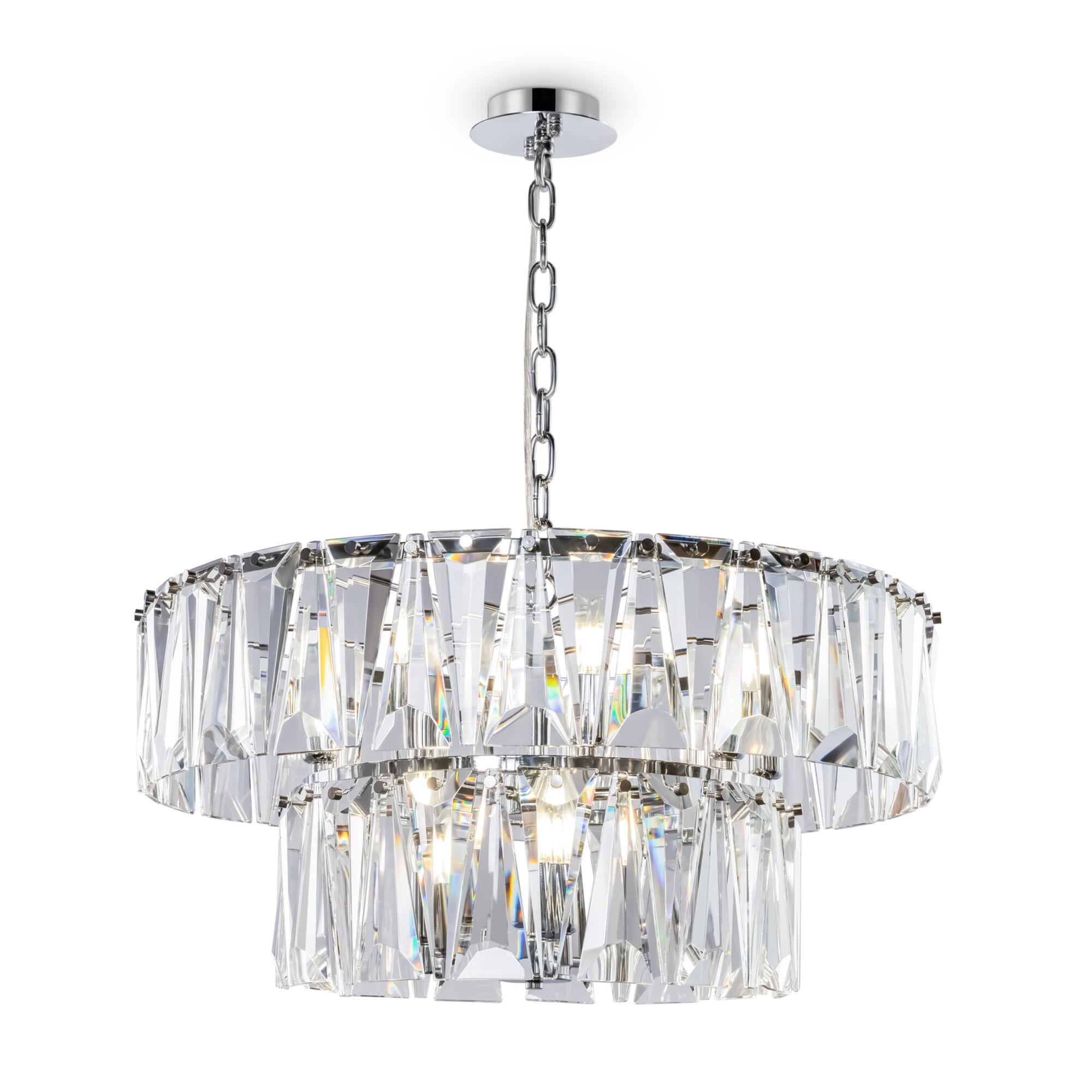
Antique brass, polished chrome, and aged bronze are the finishes that complement traditional British interiors most reliably.
Read Article →9 July 2026

Fabric pendant shades collect dust and grease faster than glass or metal, but routine dry cleaning keeps most in good condition.
Read Article →8 July 2026

Layer pendant lights by combining them with recessed downlights, wall sconces, and task lighting, each on separate dimmer circuits at 2700–3…
Read Article →8 July 2026

Pendant light height depends on ceiling height, room function, and shade size — standard drop is 2.1m from floor to base of fitting.
Read Article →7 July 2026

A cluster pendant groups multiple drops from one canopy, creating a sculptural focal point that suits dining tables, hallways, and double-he…
Read Article →7 July 2026

Yes — replacing a pendant light on an existing ceiling rose requires no rewiring, just a like-for-like swap any competent adult can do.
Read Article →6 July 2026

Choose pendant shades that define zones, match ceiling height, and deliver 3000K light at 750–850mm above surfaces in open-plan spaces.
Read Article →6 July 2026

Black pendant lights suit modern kitchens well, providing contrast against white cabinetry and anchoring islands without cluttering the spac…
Read Article →5 July 2026

Pendant lights hang on a cord or rod, dropping from the ceiling; semi-flush fittings mount close to it, leaving just a small gap.
Read Article →5 July 2026

Yes — smart bulbs work in most pendant fittings provided the lampholder matches the bulb base, typically E27 or B22, and the fitting has no …
Read Article →4 July 2026

Choose a pendant under 30cm diameter, hang it 210cm from the floor, and select 2700K–3000K output to keep a small bedroom feeling open.
Read Article →4 July 2026

Fisherman-style pendant lights remain on trend in 2026, particularly in industrial, coastal, and raw-material interiors across the UK.
Read Article →3 July 2026

A pendant light spins when the cable has residual twist — grip the fitting and rotate it counter to the spin until the cord sits straight.
Read Article →3 July 2026

Choose a conservatory pendant with IP44 rating, corrosion-resistant fittings, and a colour temperature of 2700–3000K for year-round comfort.
Read Article →2 July 2026
For a pendant light, 4–8W LED (equivalent to 40–60W incandescent) suits most domestic settings, scaled to shade size and ceiling height.
Read Article →2 July 2026

Yes — pendant lights can hang from sloped ceilings using an angled canopy, swivel plate, or adjustable hook rated for the fitting's weight.
Read Article →1 July 2026

Most pendant lights don't need an earth wire, but metal fittings always do — the requirement depends on the luminaire's insulation class.
Read Article →1 July 2026